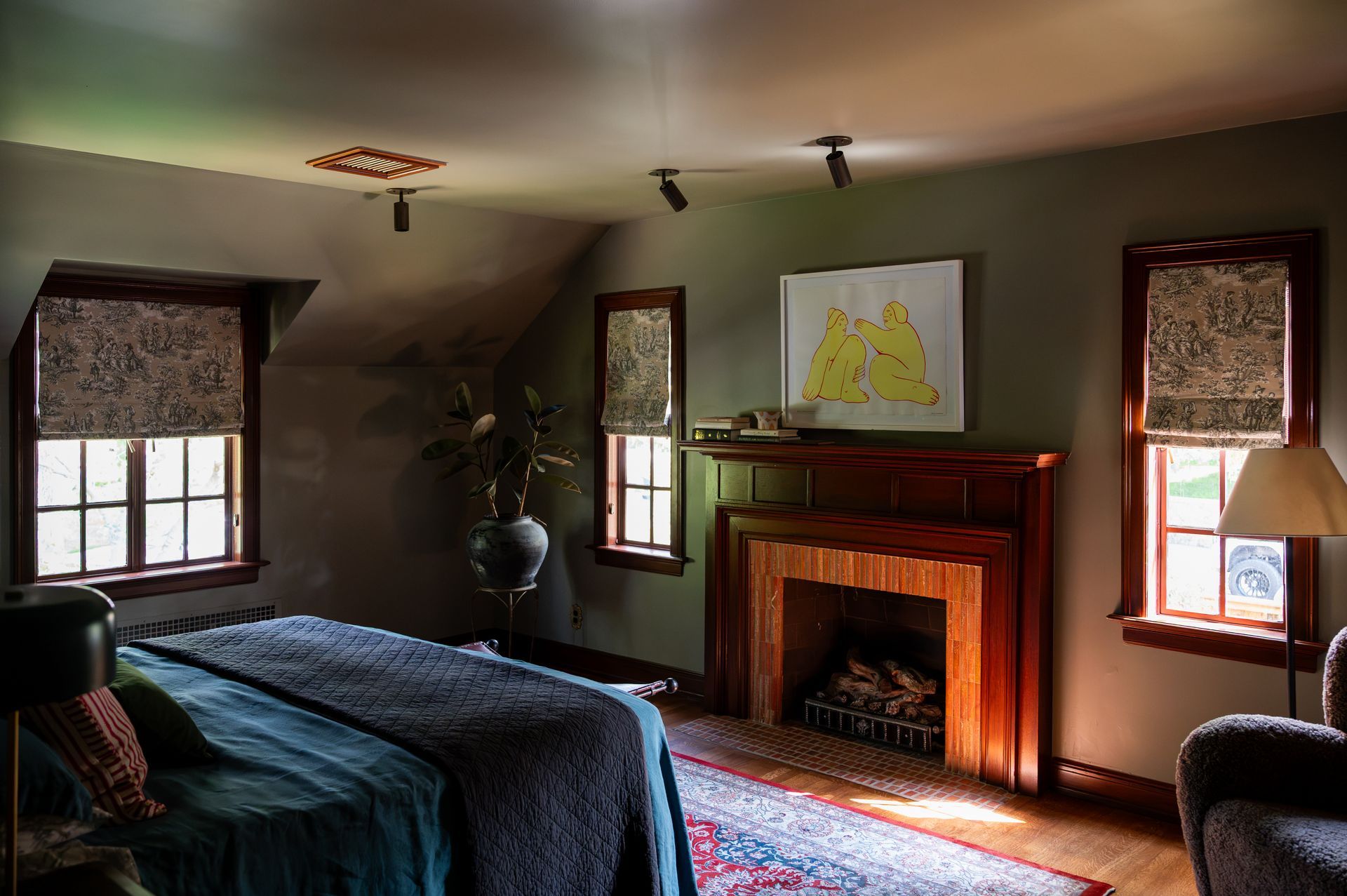
Why Motorized Shades Are Now the Standard in High-End Homes
In today’s well-designed homes, motorized shades are no longer considered an upgrade. They are expected.
Across Park City, Northern Utah, and St. George, we’re seeing a consistent shift in how window treatments are planned and specified. In homes valued at $1.5M and above, automation is no longer an afterthought — it’s part of the architectural conversation from the outset.
As residential design continues to evolve, so do expectations surrounding comfort, performance, and integration. Motorized window treatments now sit at the intersection of all three.
Architecture Has Changed — and So Must the Window Treatments
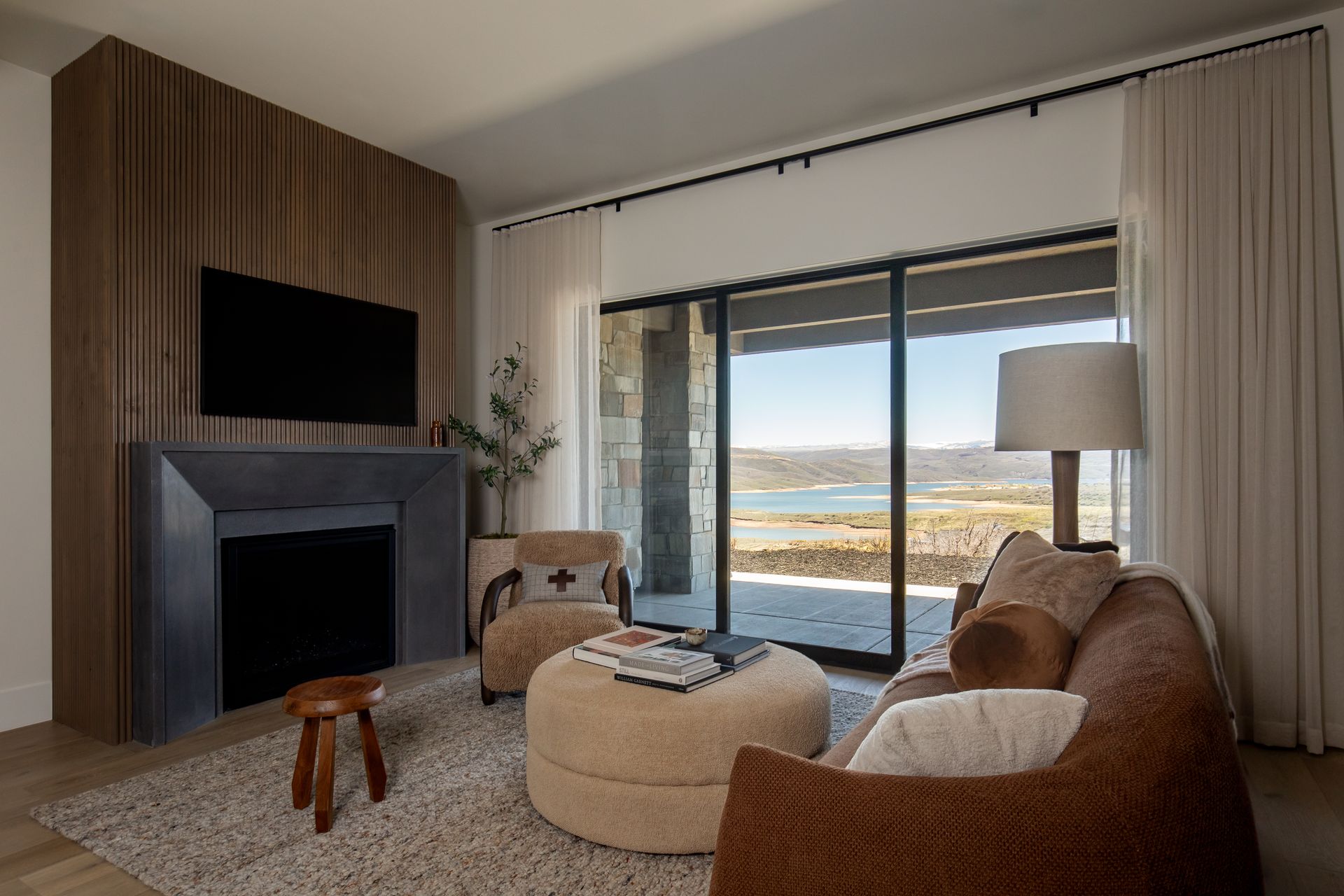
Modern custom homes are defined by glass. Expansive window walls, multi-panel sliders, 12–20 foot ceilings, and unobstructed mountain views are now standard features in elevated builds throughout Park City and beyond. With this scale comes complexity.
Manually adjusting oversized shades each morning and evening is not only inconvenient — it disrupts the seamless experience these homes are designed to create. Visible cords, uneven alignment, and inconsistent operation interrupt otherwise intentional architecture.
Motorized shades preserve clean lines and visual integrity. They allow expansive glass to remain the focal point while providing effortless control over light and privacy. In homes where every detail is curated, the window treatments must operate as beautifully as they look.
Integration Is the New Expectation
Today’s homeowners expect their homes to function as cohesive systems.
Whole-home automation platforms such as Control4 and Lutron are increasingly common in custom construction. Lighting, audio, climate, and security are integrated — and window treatments are now part of that ecosystem.
Motorized shades can be programmed to:
- Lower during peak sun exposure
- Protect hardwood flooring and furnishings
- Adjust automatically at sunset
- Align with “Morning” or “Evening” home scenes
- Improve overall energy efficiency
This level of integration elevates daily living. Rather than adjusting individual shades room by room, the home responds intelligently to its environment.
For designers and builders, this means motorization is no longer a premium add-on — it is part of delivering a fully realized home.
Planning Early Makes the Difference
One of the most significant differences between a seamless motorized system and a compromised one is timing.
Hardwired motorized shades require thoughtful coordination during construction. Wiring paths, transformer locations, and integration points should be planned alongside electrical and low-voltage layouts.
When automation is introduced too late, homeowners are often left with limited solutions — typically battery-powered systems or visible adaptations that detract from the overall design.
While battery motorization is an excellent option for renovations or retrofits, new custom builds benefit greatly from early planning.
The most refined motorized systems are rarely noticeable. They are concealed, quiet, and fully integrated — because they were engineered that way from the beginning.
A Reflection of Intentional Design
Exceptional homes are defined not only by materials, but by experience.
Integrated lighting. Concealed speakers. Flush baseboards. Minimal hardware.
Motorized window treatments align with that same philosophy: intentional, seamless, unobtrusive.
When shades rise and lower in unison.
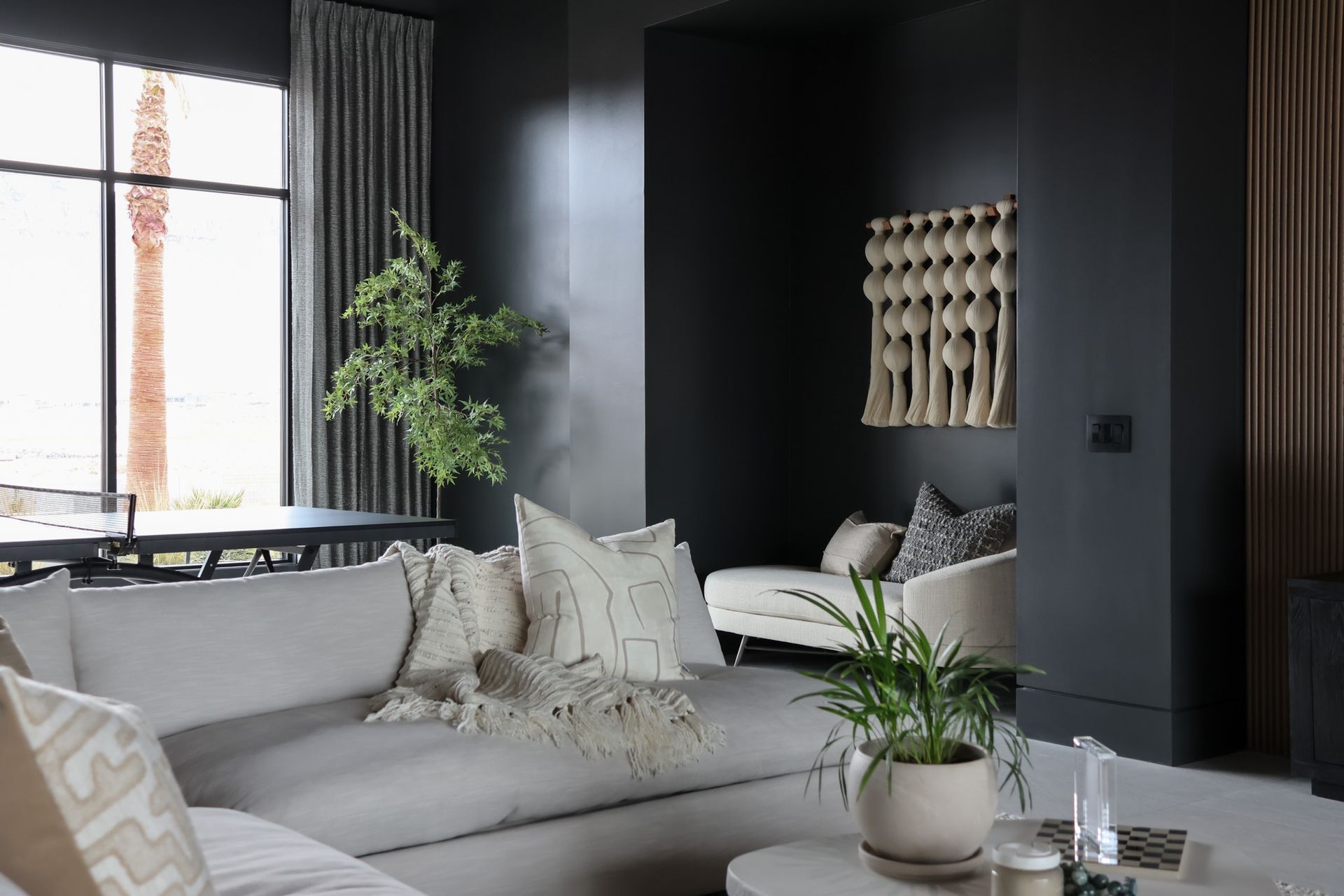
When drapery glides silently across a recessed track.
When privacy, light control, and aesthetics function as one — the home feels complete.
In high-end design, the details are what elevate the space. Automation ensures those details remain effortless.
The New Baseline
In custom homes throughout Park City and Utah’s most refined markets, motorized shades are no longer framed as an upgrade.
They are specified early.
They are integrated thoughtfully.
And they are expected.
At Park City Blind & Design, we collaborate closely with homeowners, designers, and builders to engineer motorized window treatment systems that complement architecture, integrate with smart home platforms, and enhance the everyday experience of the home.
Because in well-designed homes, convenience isn’t a feature.
It’s part of the standard.