Blog
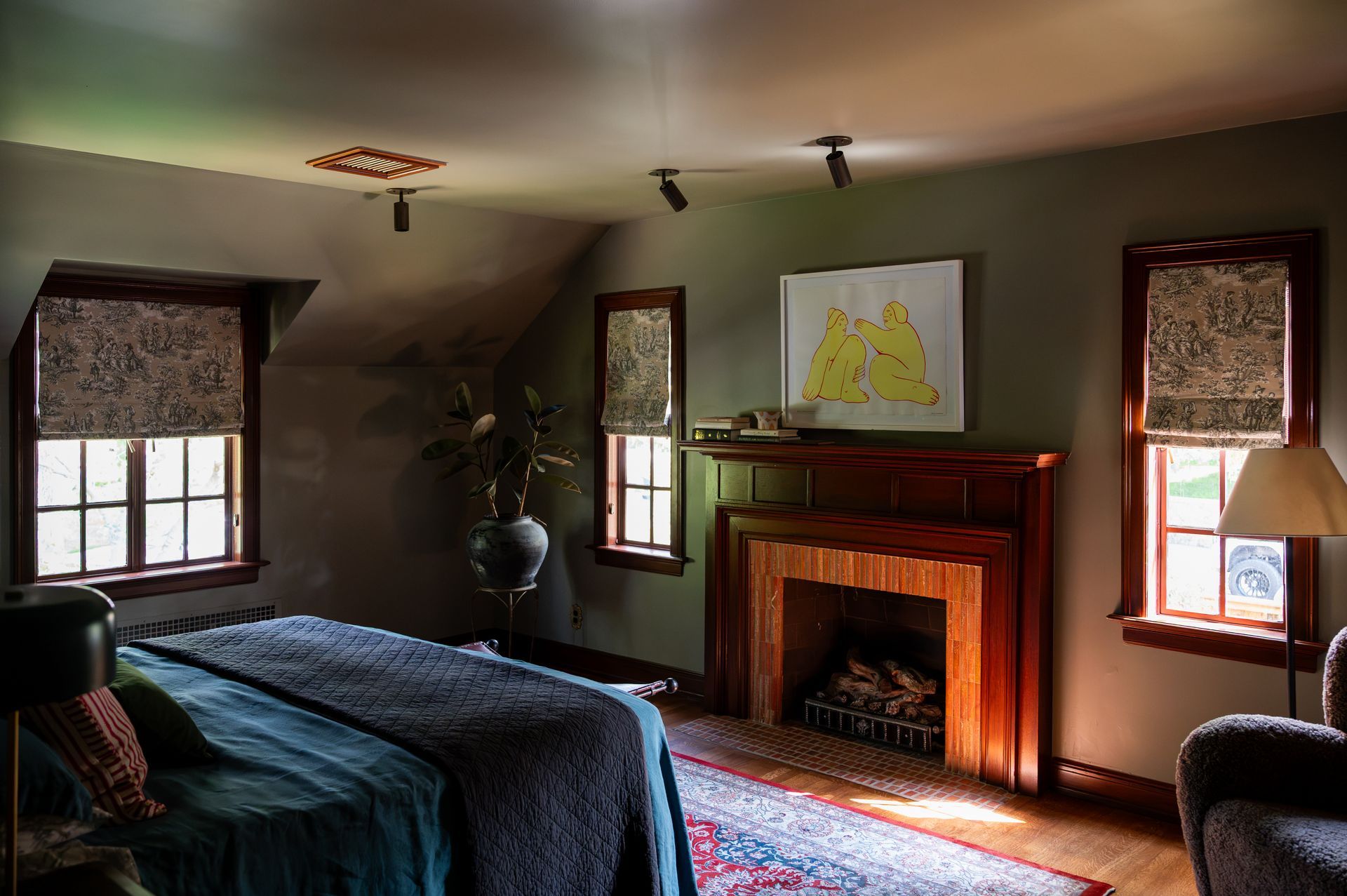
Custom Roman shades are one of the most versatile ways to add softness, texture, privacy, and light control to a home. For homeowners searching for blinds in Park City or St. George, Roman shades offer a more tailored alternative to traditional blinds while still providing the function you need from a custom window treatment. Because the fabric becomes such a visible part of the finished design, choosing the right material is just as important as selecting the shade style itself. Whether you're designing a mountain home in Park City or a modern desert home in St. George, here are a few things to consider when choosing fabric for custom Roman shades.
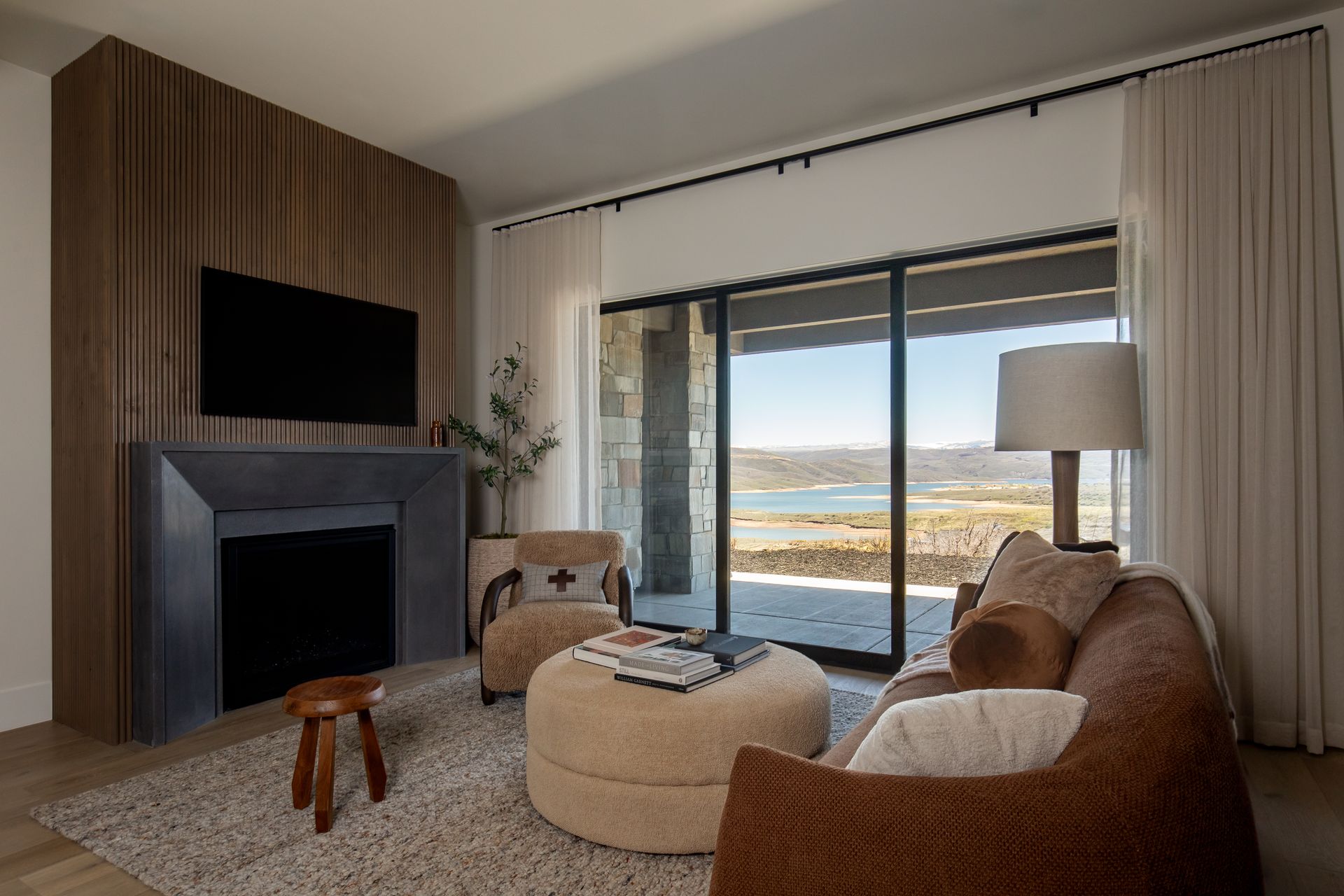
If you’re building a custom home or planning a major remodel, window treatments probably aren’t the first thing you’re selecting. Flooring, cabinetry, lighting, plumbing, and furniture tend to get most of the early attention. But some of the best window treatment solutions need to be planned before construction is complete. Motorized shades may require power. Recessed shades need space in the ceiling. Drapery tracks can be integrated into architectural details. Large or unusually shaped windows may need specialized hardware. Waiting until the end doesn’t mean you won’t have options—but planning earlier can create a cleaner, more integrated result. Here’s what homeowners, builders, and interior designers should consider when planning custom window treatments for a new construction home or remodel.
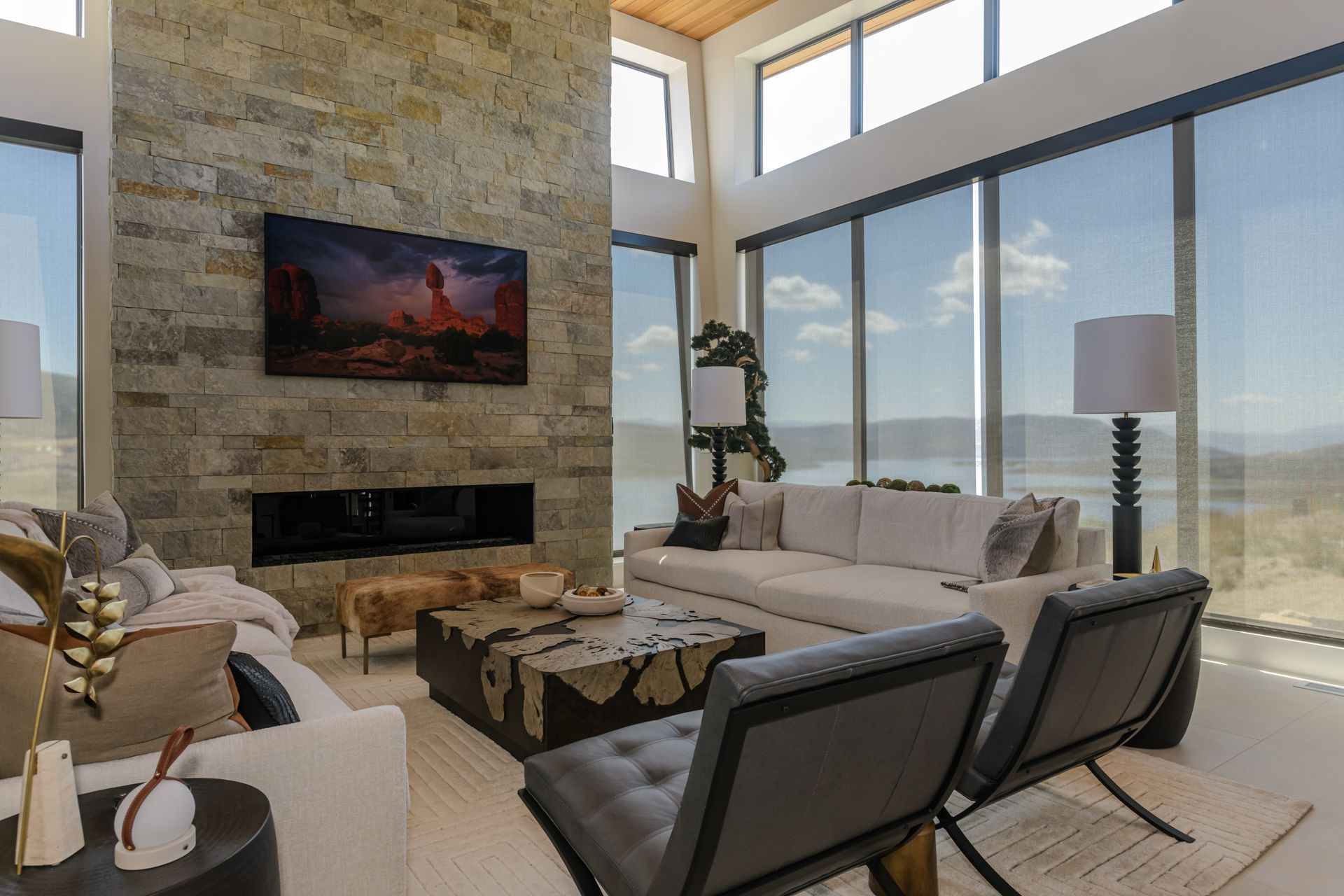
Almost every consultation we do eventually comes down to the same tension: the homeowner loves their view, but doesn't want to feel like they're on display to get it. It comes up in a mountain home with neighbors close enough to see into the living room. It comes up in a desert home with a street-facing front window. It comes up in a condo with a shared courtyard. The window that gave you the view in the first place is the same window giving everyone else a view of you. The good news is that privacy and view aren't actually opposites — they just require the right product, not just any shade pulled all the way down.
Learn the differences between inside and outside mount window treatments including appearance, light control, privacy, and functionality to determine the best fit for your home. When selecting custom window treatments, one of the first decisions you'll make isn't the fabric or color—it's how they'll be mounted. Choosing between an inside mount and an outside mount may seem like a small detail, but it can significantly impact your home's appearance, light control, privacy, and the overall performance of your shades, blinds, or shutters. Here's what you need to know before making your decision.
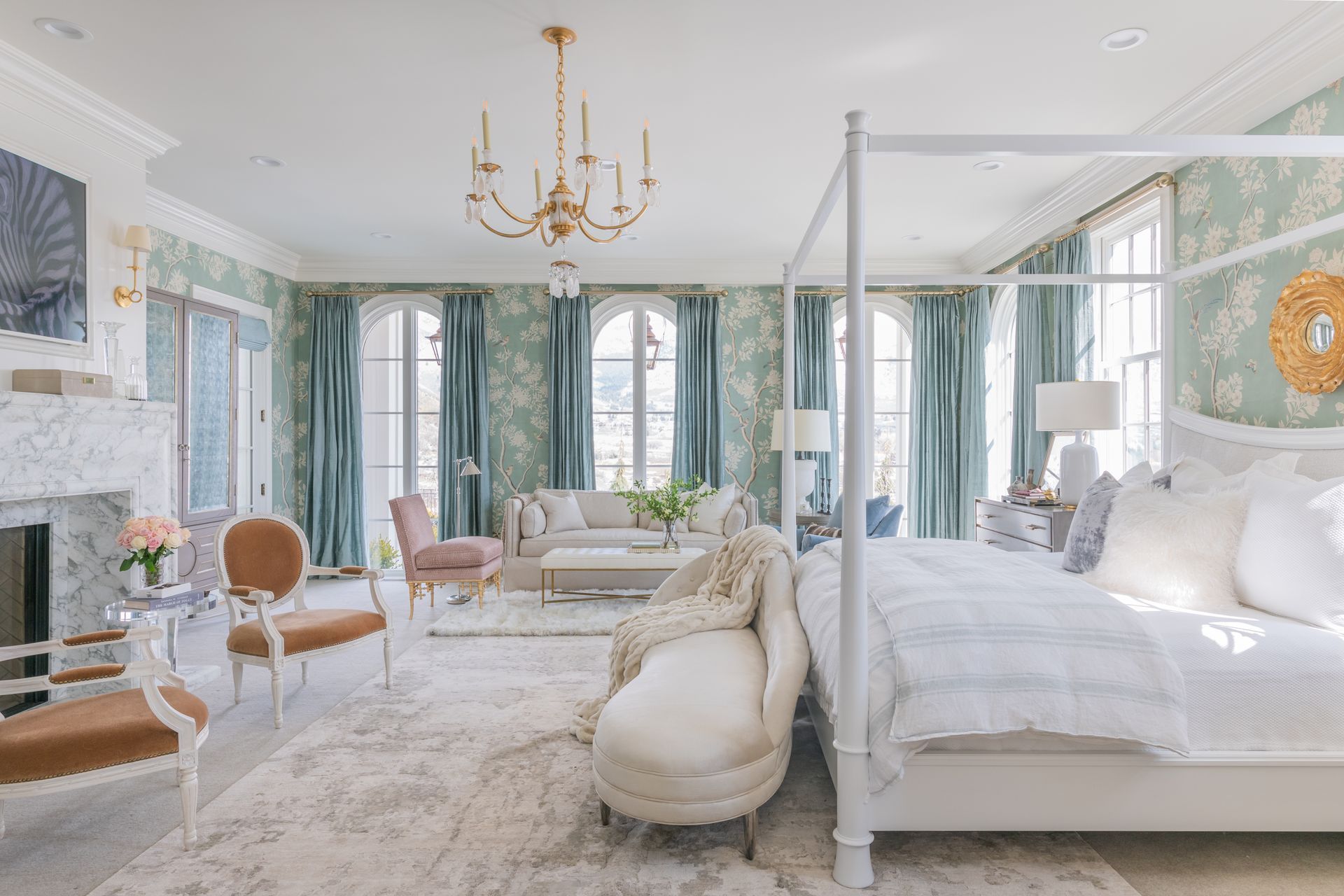
Are you looking to make a statement in your home that paint simply cannot achieve? Park City Blind & Design offers expert wallpaper selection and professional installation services for homeowners across Utah, with showrooms in Park City and St. George. From subtle textures to bold designer prints, we help you find the perfect pattern and bring it to life with precision.
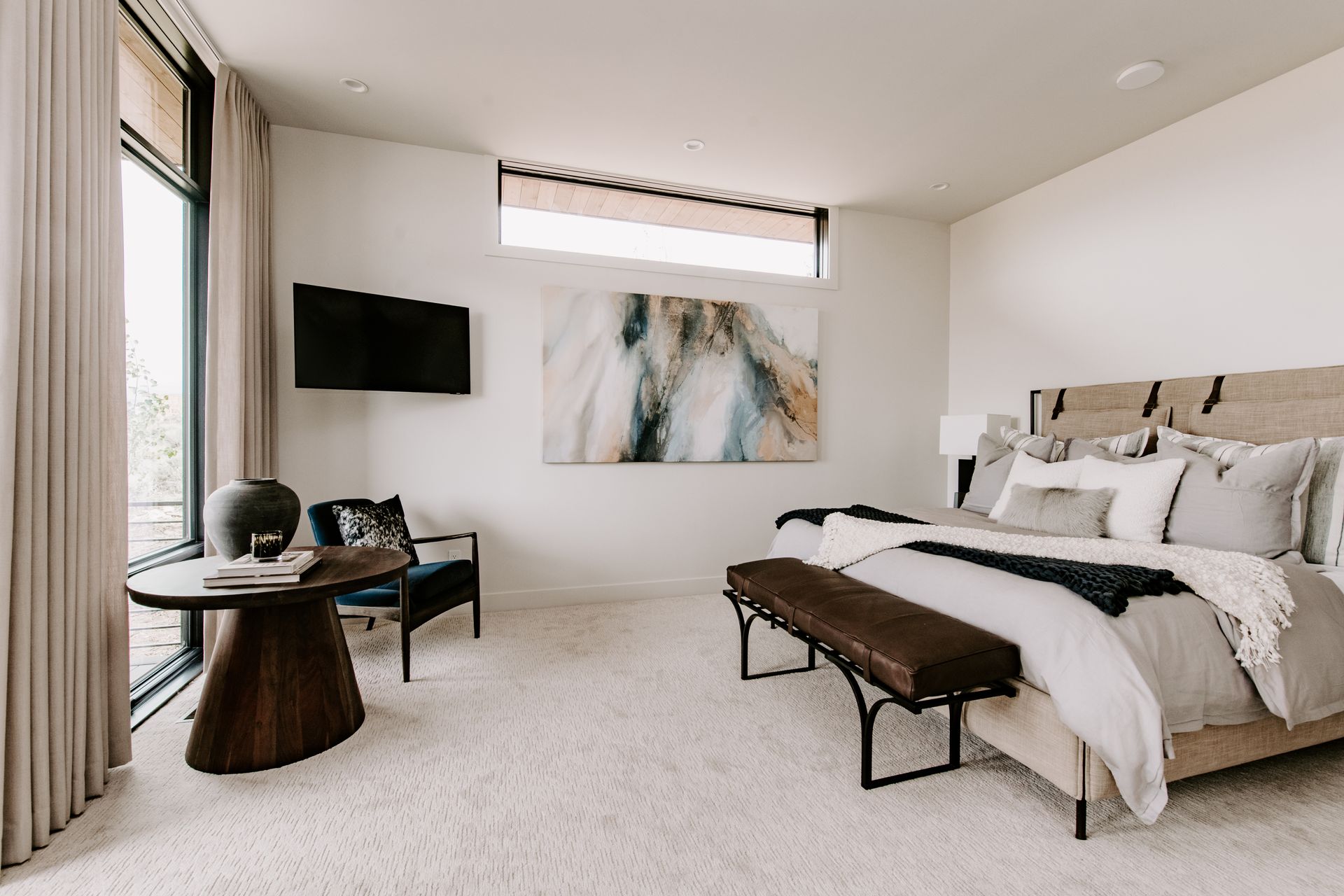
Are you looking to refresh a beloved piece of furniture without the cost of replacing it? Park City Blind & Design brings expert upholstery services to homeowners across Utah, with showrooms in both Park City and St. George. From heirloom restoration to custom built pieces, our team delivers craftsmanship that lasts.
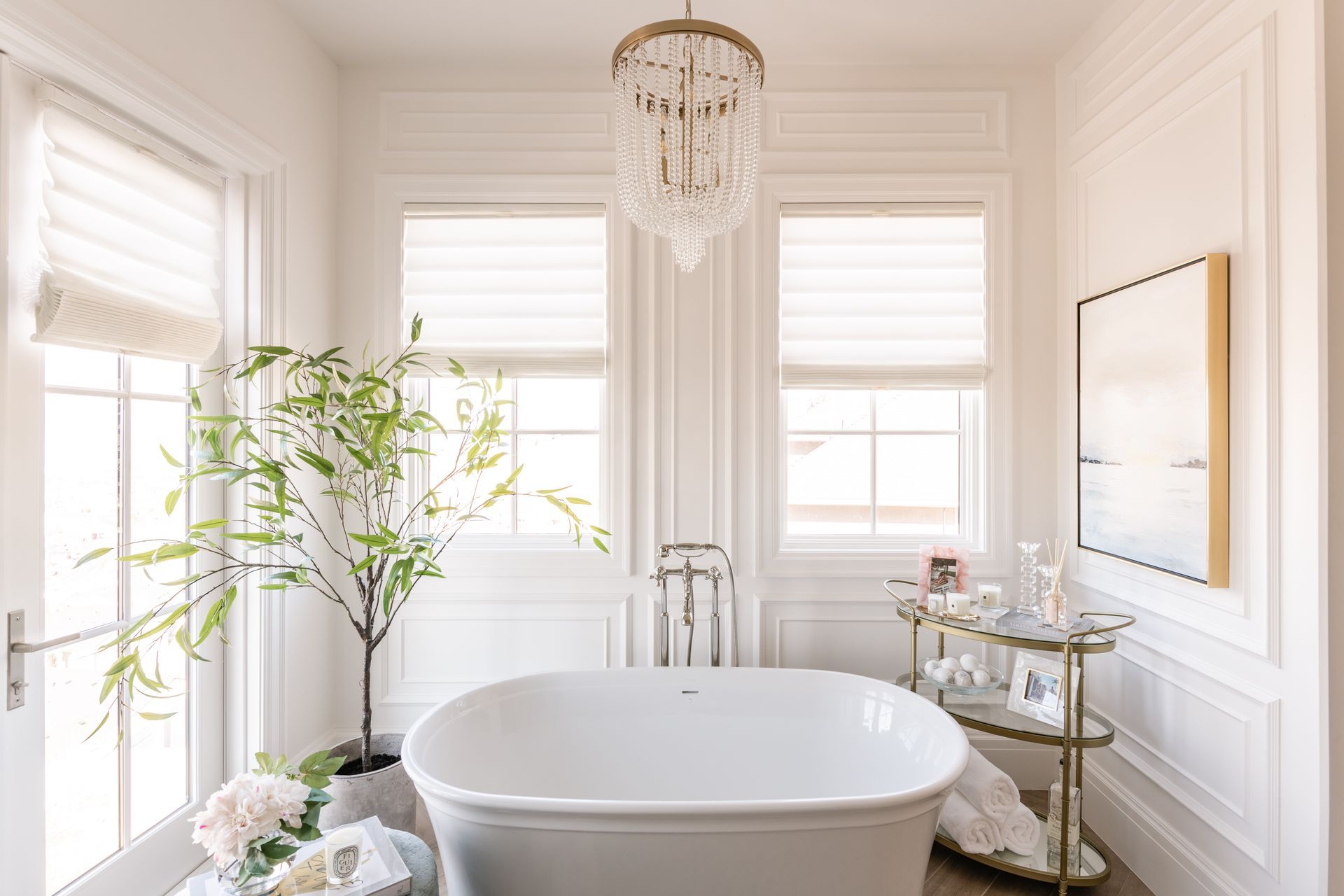
Moisture, heat, and grease change everything. Discover which window treatments hold up in bathrooms and kitchens — and which to avoid — from Park City Blind & Design.
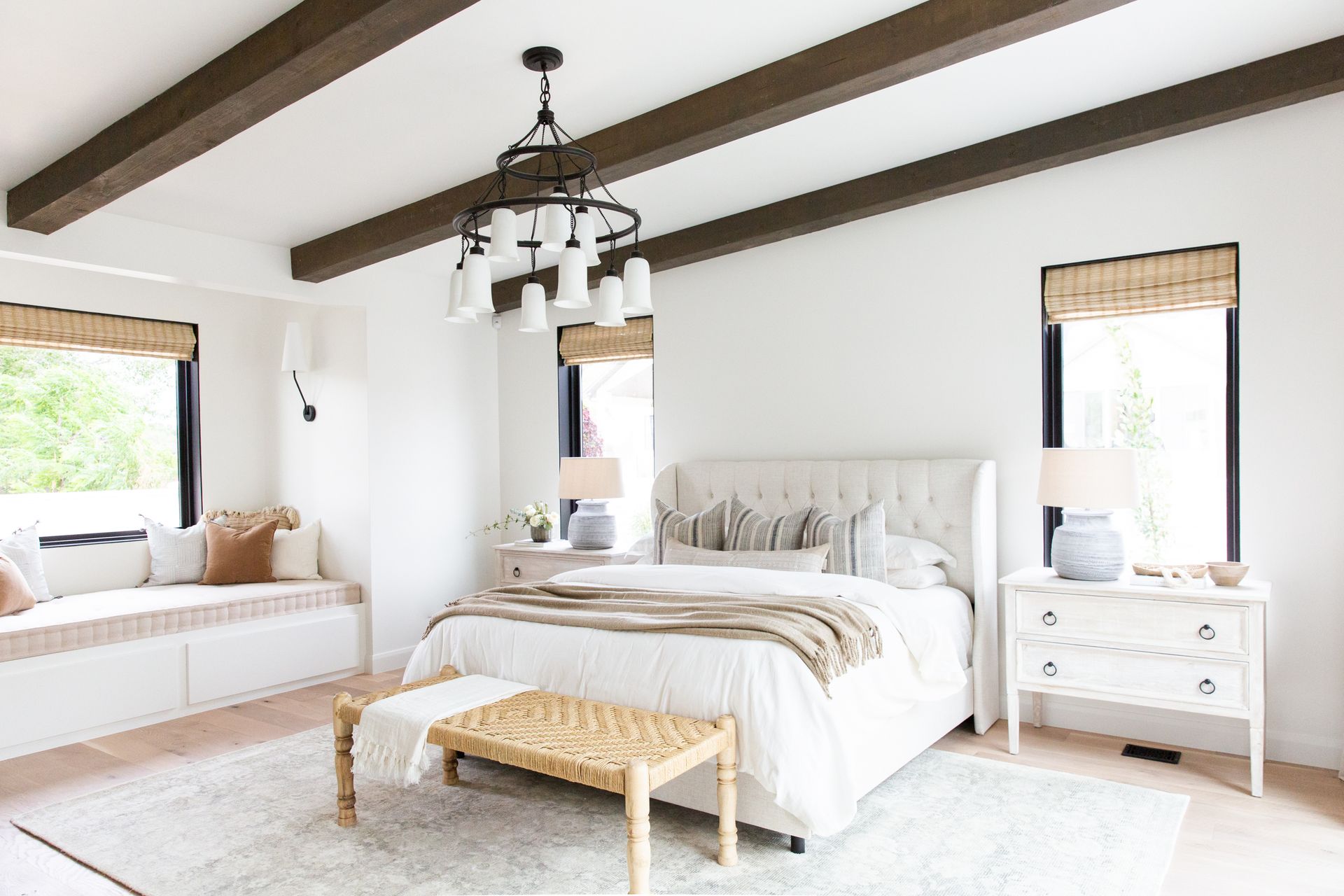
Most people approach window treatments the same way in every room — pick something that looks good and call it done. The problem with that approach is that no two rooms in your home have the same needs. The light is different. The function is different. The way you live in the space is different. A bedroom needs darkness at 7am on a Saturday. A kitchen needs something practical that survives steam and splatter. A living room needs to handle afternoon glare without making the space feel like a cave. A home office needs to eliminate screen glare without losing the view. Get the treatment wrong and you'll notice it every single day — squinting at your screen, waking up too early, or living in a room that never quite feels finished. Get it right and you stop thinking about your windows entirely, which is exactly the point. Here's how to choose window treatments for every room in your home — starting with what that room actually needs.
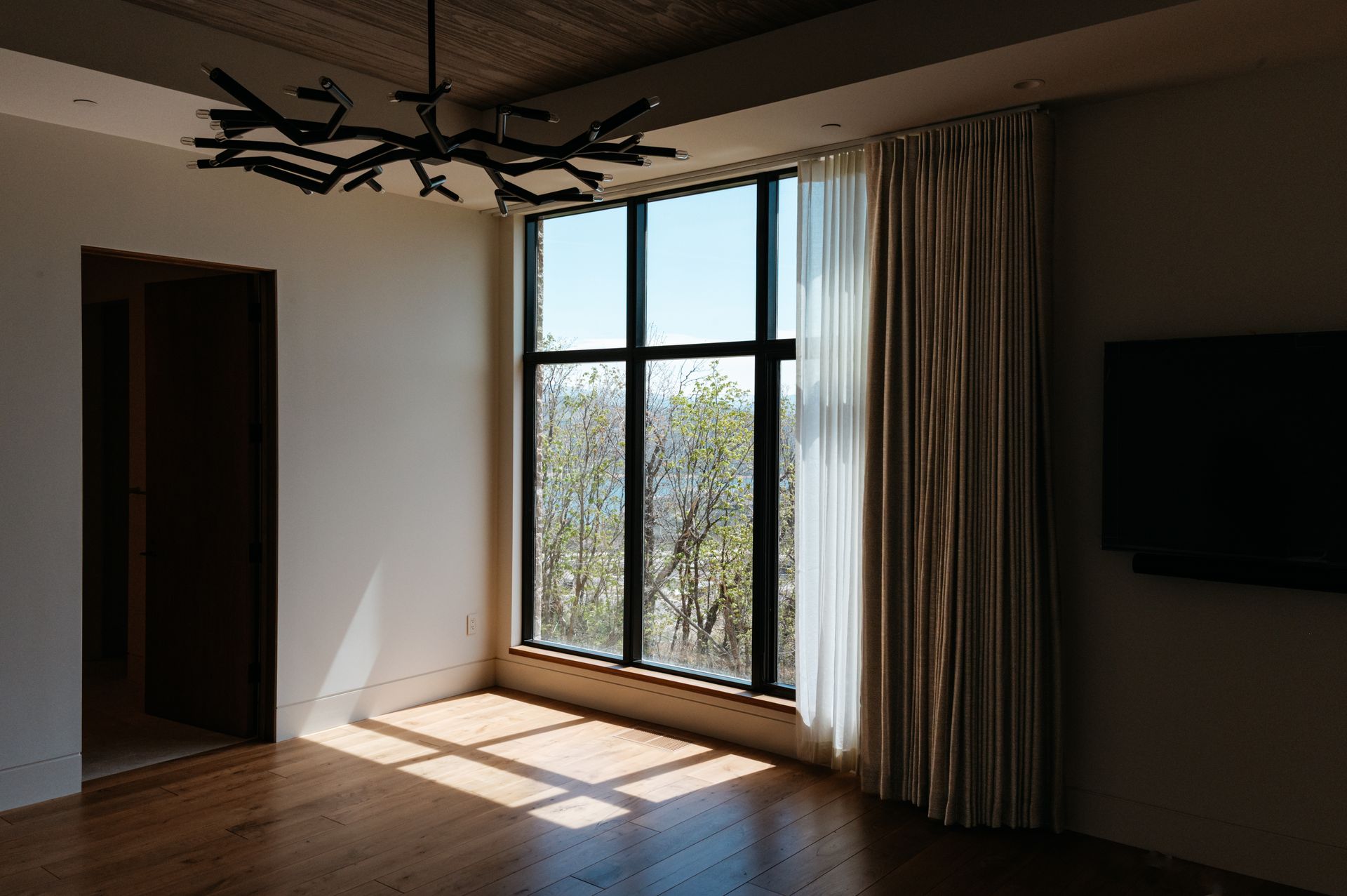
Most homeowners think about their windows as a view. A way to let in light, frame the mountains, or brighten a room. What they rarely think about is what's coming in with that light — and what it's quietly doing to their home, their furniture, and their energy bill. If you've ever sat near a south-facing window in July and felt the heat radiating off the glass, you already understand the problem. You just might not know how significant it is — or how simple the solution can be.
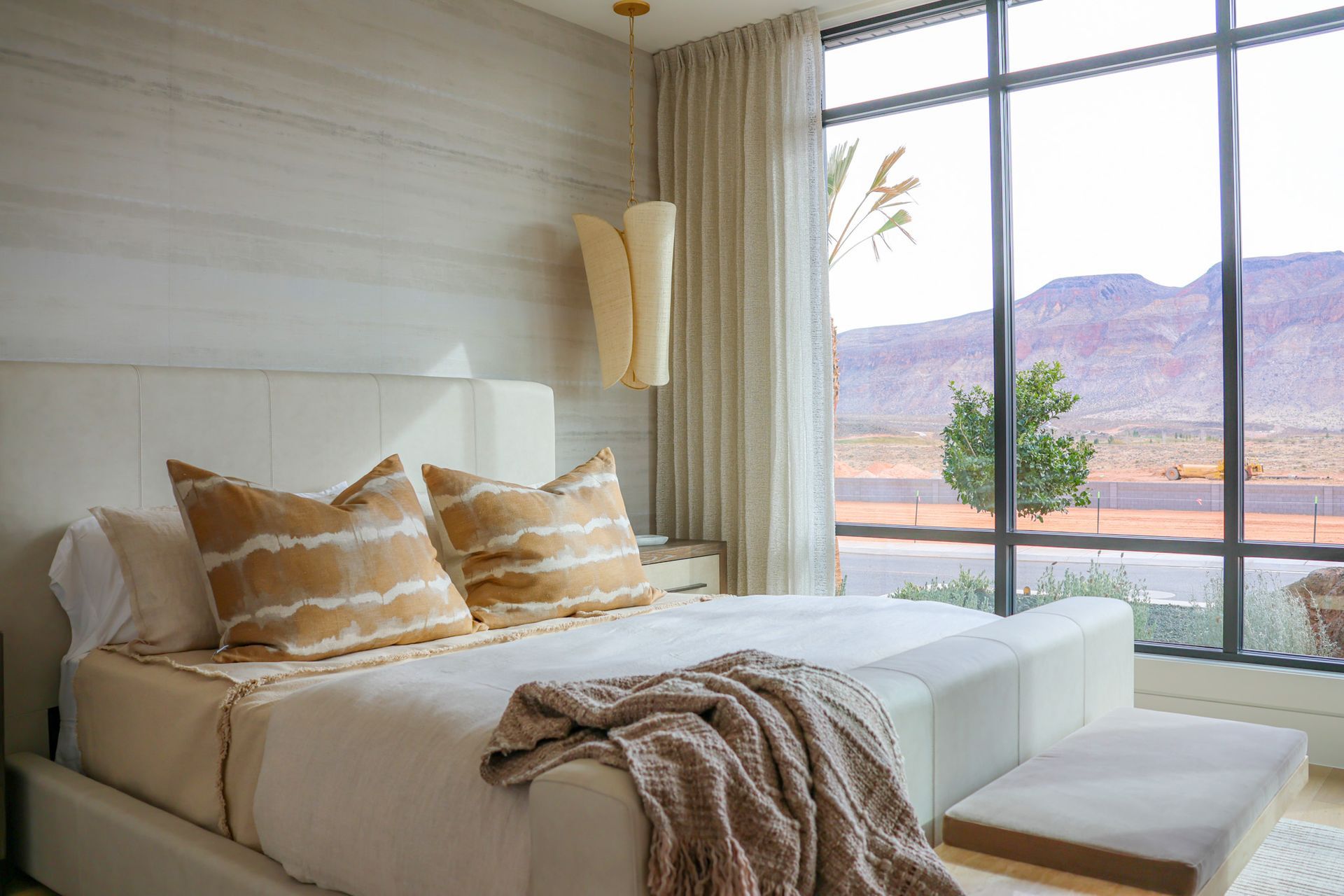
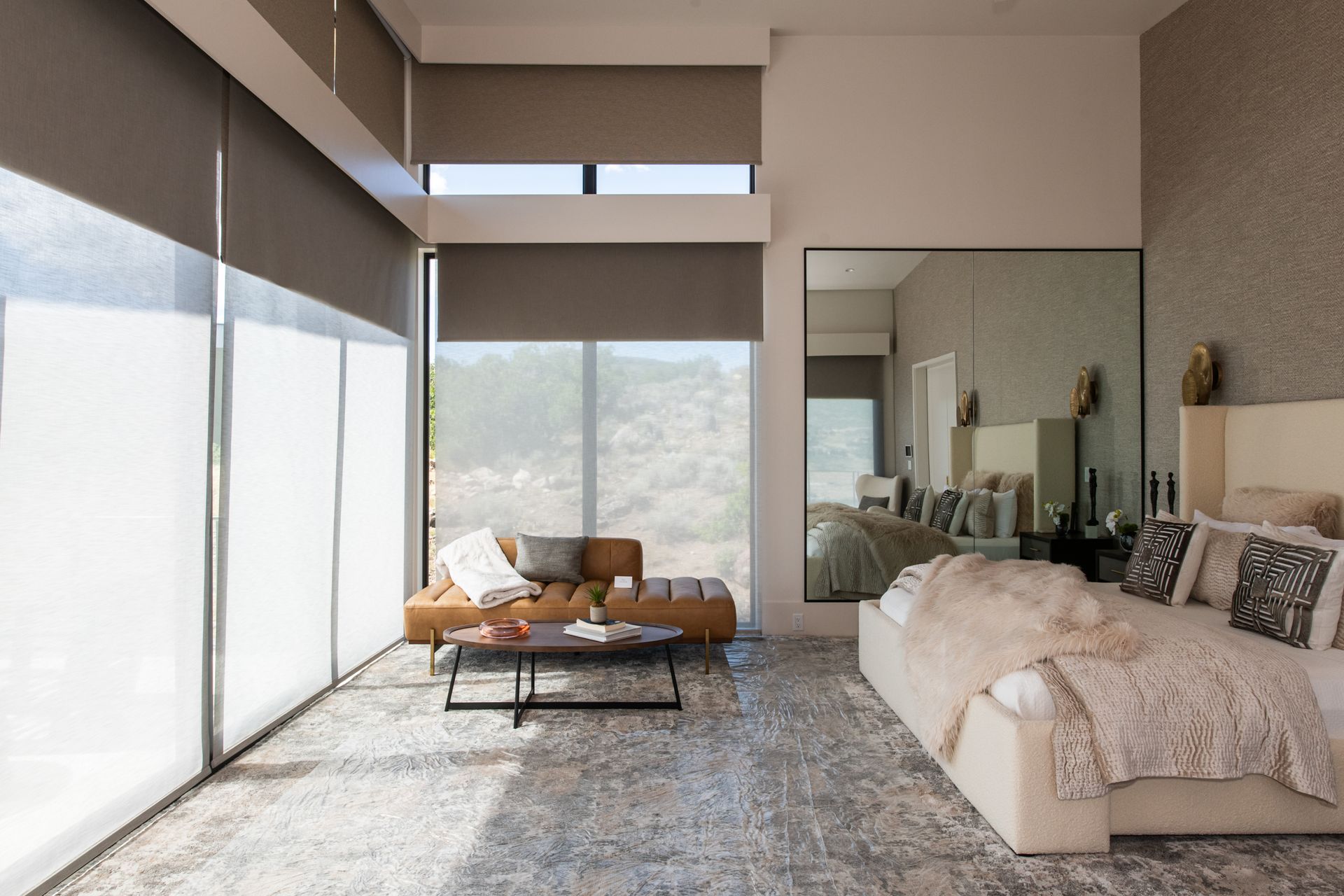
Floor-to-ceiling windows are one of the most striking architectural features in modern homes. They bring in incredible natural light, frame mountain or desert views beautifully, and create an open, elevated feel throughout the space. But when it comes to privacy, glare control, insulation, and functionality, these expansive windows require thoughtful solutions. The right window treatments should enhance the architecture — not compete with it. At Park City Blind & Design , we specialize in custom solutions designed specifically for oversized and architectural windows, helping homeowners and designers create spaces that feel intentional, functional, and beautifully finished.