Custom Window Treatments: A Design-First Guide for Modern Homes
In thoughtfully designed homes, window treatments are not just functional—they influence how a space feels, how light moves, and how the design reads as a whole. From large architectural windows to layered living spaces, the right approach to window coverings creates balance between aesthetics, comfort, and performance.
This guide breaks down what truly defines custom window treatments and why they play a critical role in well-executed homes.
What Makes Window Treatments “Custom”?
Custom window treatments are designed specifically for the space they live in.
Rather than selecting a standard size or off-the-shelf option, each element is considered in relation to:
- the architecture
- the scale of the windows
- the way light enters the room
- how the space is used day to day
This often includes:
- tailored dimensions for oversized or unique openings
- curated fabric and material selection
- hardware that complements or disappears into the design
- motorization for seamless control
The result is a solution that feels integrated—not added on.
Why Standard Options Fall Short
In more design-driven homes, standard window coverings often create visual and functional limitations.
They may:
- sit awkwardly within larger window openings
- lack the flexibility needed for changing light conditions
- feel disconnected from the overall design direction
Custom solutions, on the other hand, are built to support both the look and the experience of the space.
Designing for Light, Not Just Coverage
One of the biggest shifts in modern home design is thinking beyond “covering windows” and instead designing how light is experienced.
Different treatments create different effects:
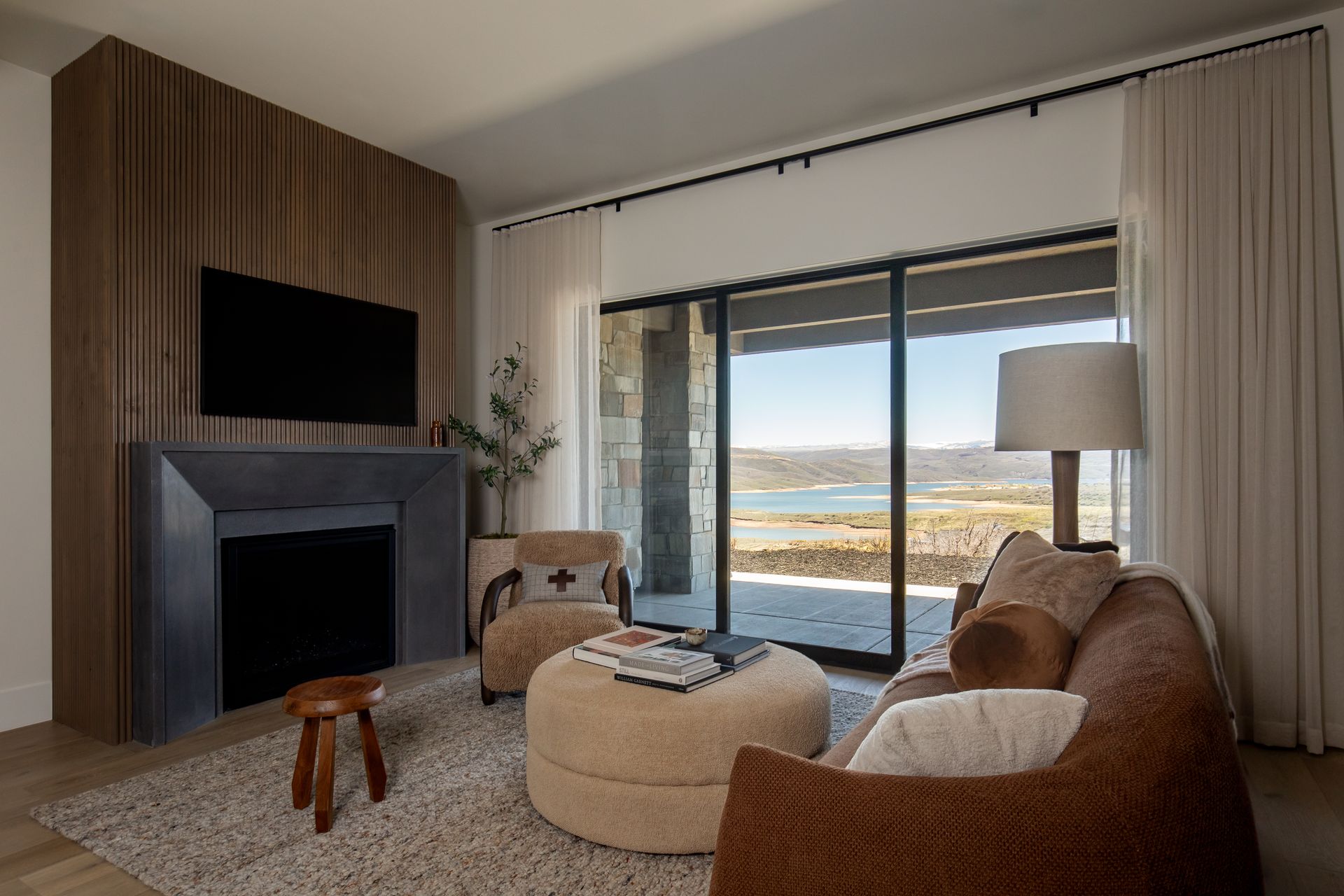
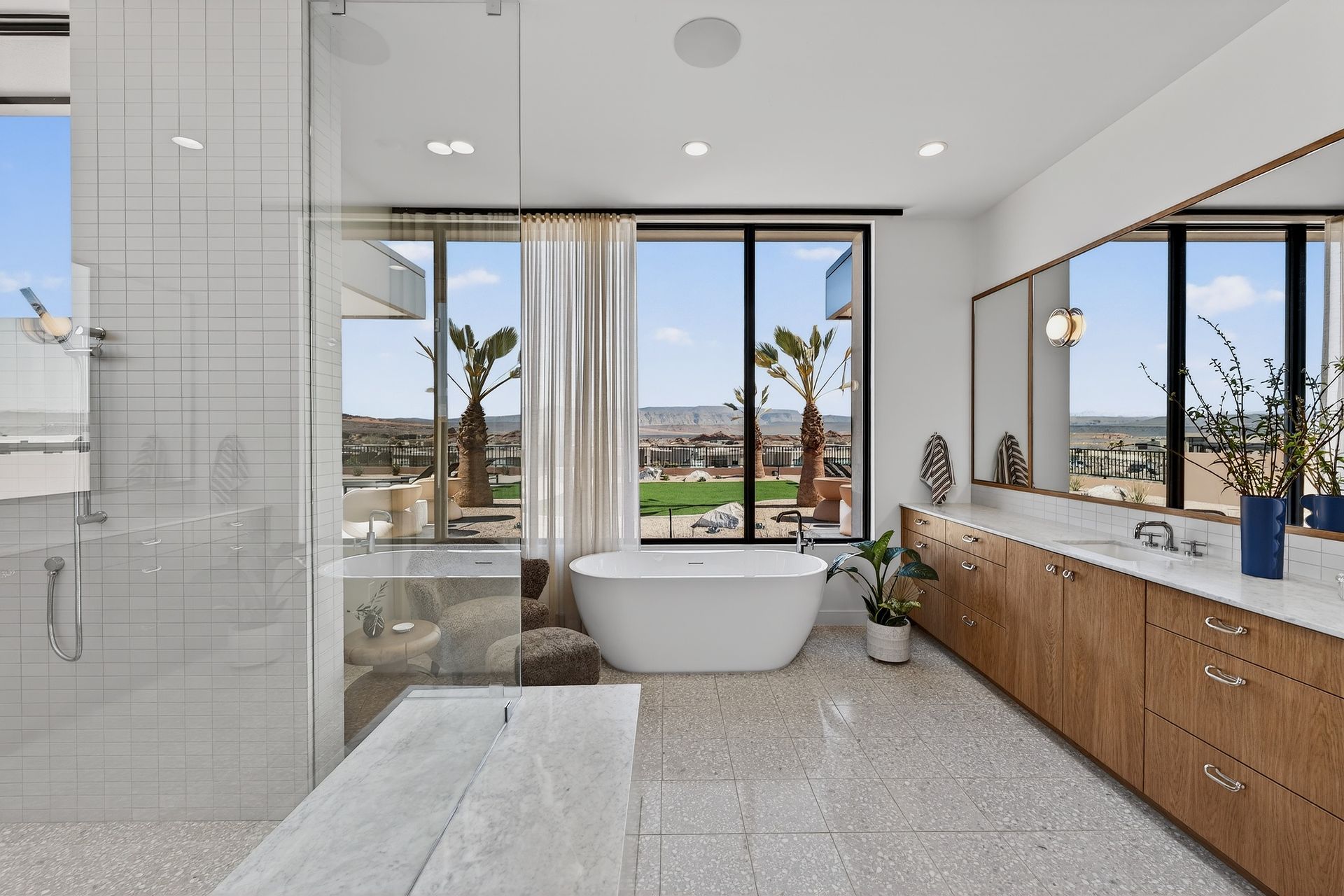
- Sheer drapery softens natural light and creates a warm, diffused glow
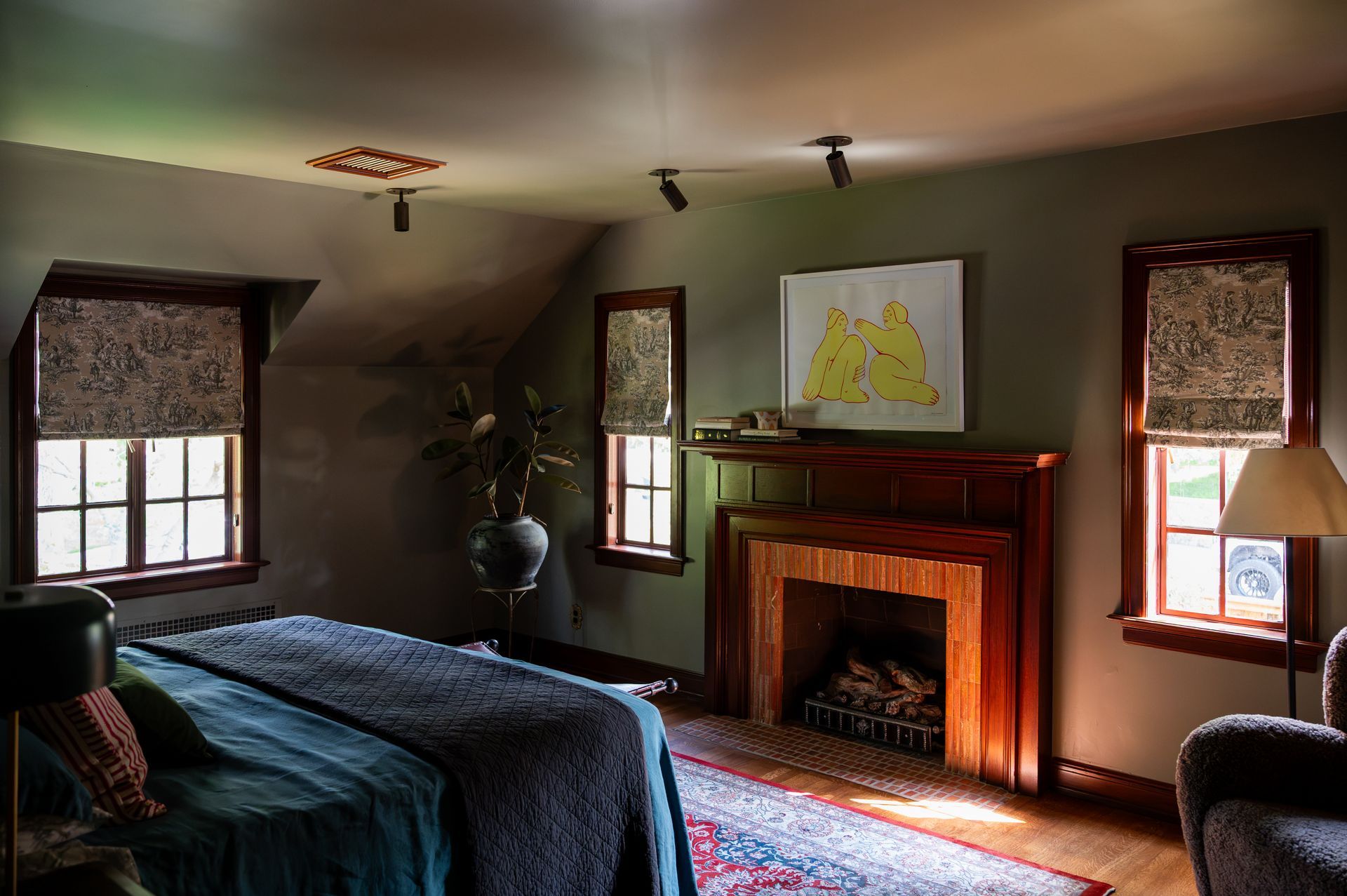
- Roller or Roman shades offer clean lines with adjustable control
- Layered systems allow a space to transition from open and bright to private and dimmed
This level of control is what allows a home to feel comfortable throughout the day—not just visually appealing.
The Importance of Scale and Proportion
As window sizes increase, so does the importance of proportion.
In homes with:
- tall ceilings
- large expanses of glass
- open-concept layouts
window treatments must be designed to match the scale of the architecture.
This includes:
- proper drapery fullness
- correct mounting height
- balanced spacing across multiple openings
When done well, treatments enhance the architecture rather than compete with it.
Material and Hardware Considerations
Every detail contributes to the final result.
Materials
Fabric selection affects:
- light filtration
- privacy
- texture and warmth
Hardware
Hardware can either:
- blend seamlessly into the background
- or act as a subtle design element
In many modern homes, concealed or minimal systems are preferred to maintain clean lines.
Why Timing Matters More Than Most Expect
One of the most overlooked aspects of window treatments is when decisions are made.
Certain features require early planning, including:
- motorized systems
- recessed installations
- hidden tracks
Without that coordination, achieving a fully integrated look becomes more difficult.
Creating a More Finished Space
The difference between a space that looks complete and one that feels complete often comes down to layering.
Combining:
- sheers for softness
- shades for control
- drapery for depth
creates flexibility and dimension that a single solution can’t provide.
A More Considered Approach
Custom window treatments are one of the most impactful elements in a home—shaping both how it looks and how it functions.
When approached with intention, they:
- support the architecture
- improve daily comfort
- elevate the overall design
And most importantly, they help create spaces that feel as good as they look.