What to Consider When Planning Custom Window Treatments (and Why It Matters Early)
When window treatments are thoughtfully planned, they don’t just finish a space—they elevate how it lives and feels every day.
In high-end homes, these decisions are never made at the end. They’re considered early, alongside architecture, lighting, and layout—because the smallest details can have the greatest impact.
If you’re in the planning stage of a custom home or renovation, here’s what’s typically considered—and why early coordination makes all the difference.
Plan Early to Achieve a Seamless, Built-In Look
The most refined spaces feel effortless—and that’s rarely accidental.
Planning window treatments early allows for:
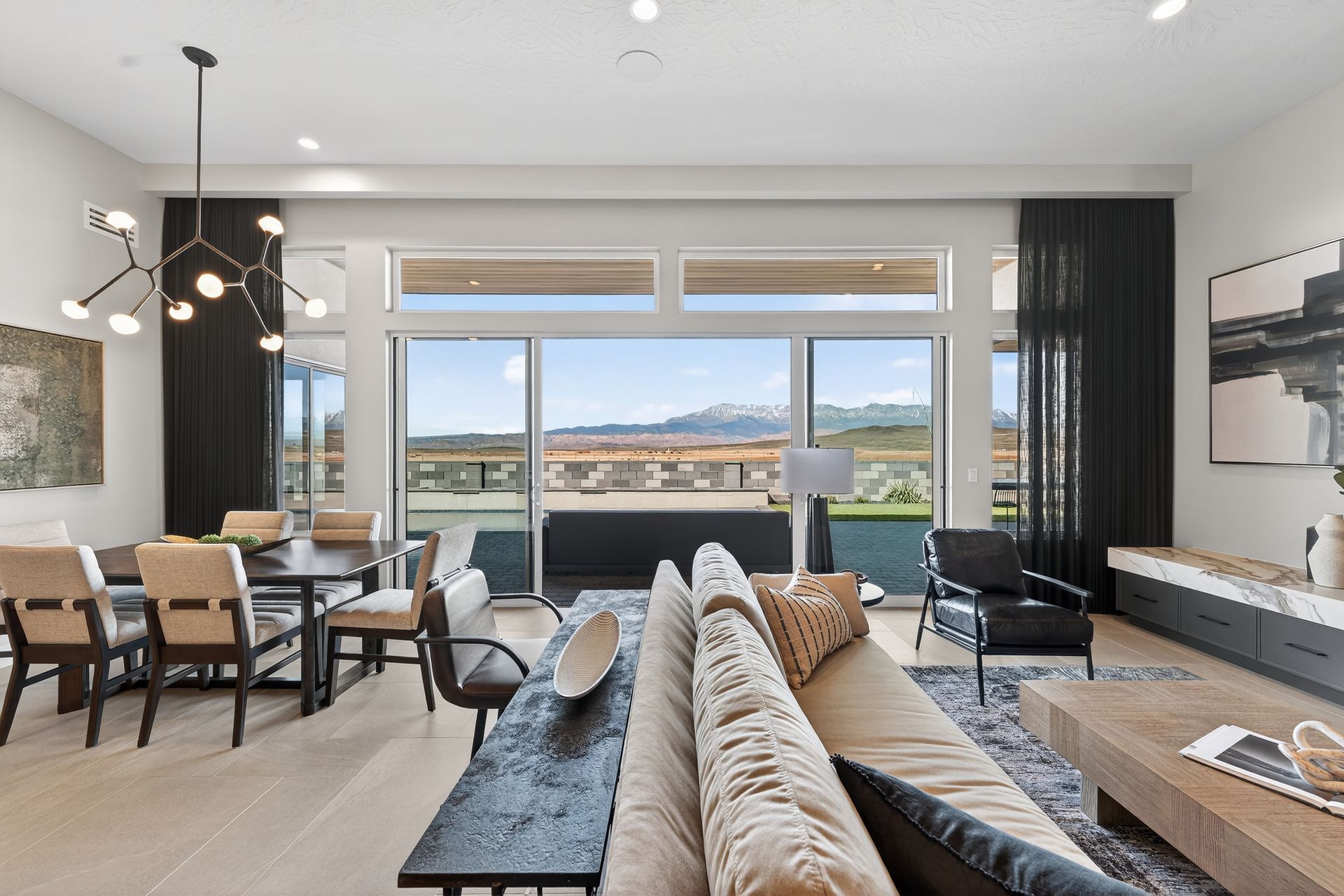
- recessed pockets
- concealed hardware
- integrated motorization
These details create a clean, architectural finish that feels fully intentional.
Why this matters early: Once construction progresses, many of these options become limited or require compromise.
Proportion and Placement Are Carefully Designed
Window treatments play a quiet but important role in how a space is perceived.
The height, width, and fullness of drapery—and the placement of hardware—are all designed in relation to the architecture and surrounding elements.
When done well, they enhance the space. When overlooked, they can subtly detract from it.
Why this matters: Even the highest-quality materials rely on proper scale to feel complete.
Function Is Designed Into the Experience
Beyond aesthetics, window treatments directly shape how a home is experienced.
Each space is evaluated individually to consider:
- natural light throughout the day
- privacy needs
- how the space is used
This ensures the final result feels as functional as it is beautiful.
Motorization Is Integrated, Not Added Later
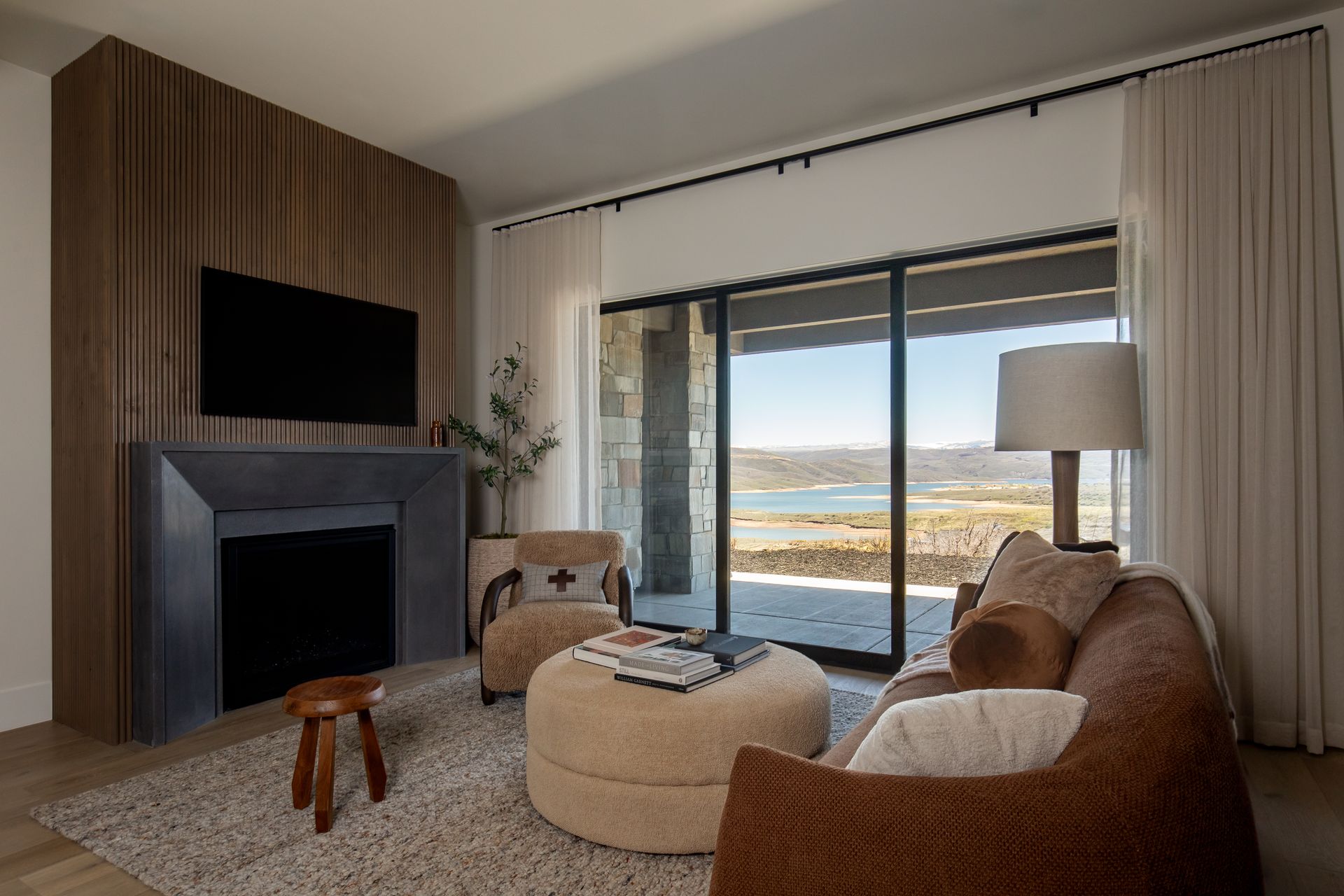
Motorization has become a standard in thoughtfully designed homes—especially in spaces with large or hard-to-reach windows.
When planned early, it integrates seamlessly into the home.
When considered later, options are more limited and often less refined.
Where it adds the most value:
- large window walls
- primary living spaces
- rooms with changing light throughout the day
Materials Are Selected With Intention
Materials influence both the aesthetic and long-term performance of window treatments.
Fabric weight, texture, and composition are selected based on:
- light exposure
- surrounding finishes
- desired structure and softness
This ensures the final result feels cohesive and holds up beautifully over time.
Designed as Part of the Whole
Window treatments are never considered in isolation.
They’re designed in harmony with:
- architectural details
- furnishings
- overall palette
This integrated approach is what allows a space to feel complete rather than layered together over time.
The Difference Is in the Planning
While window treatments may appear simple, the outcome is shaped by a series of intentional decisions made early in the process.
With the right approach, they become one of the most impactful elements in a home—both visually and functionally.
Plan With a Design Consultant
For projects where detail, scale, and integration matter, early collaboration is key.
Our design consultants work closely with homeowners, builders, and designers to ensure window treatments are fully considered from the start—resulting in a seamless, elevated finish. Give us information on your project here to get started!