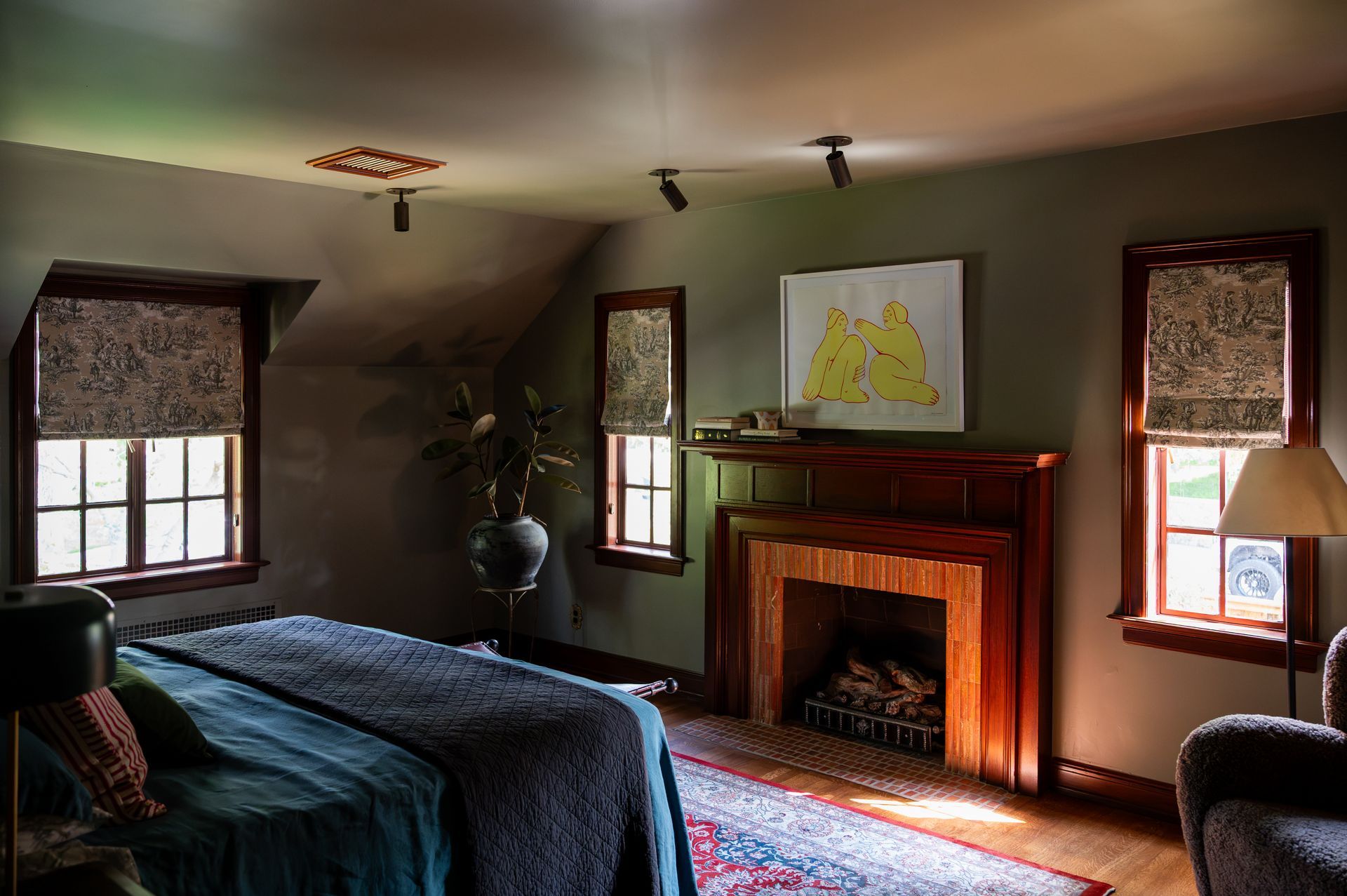
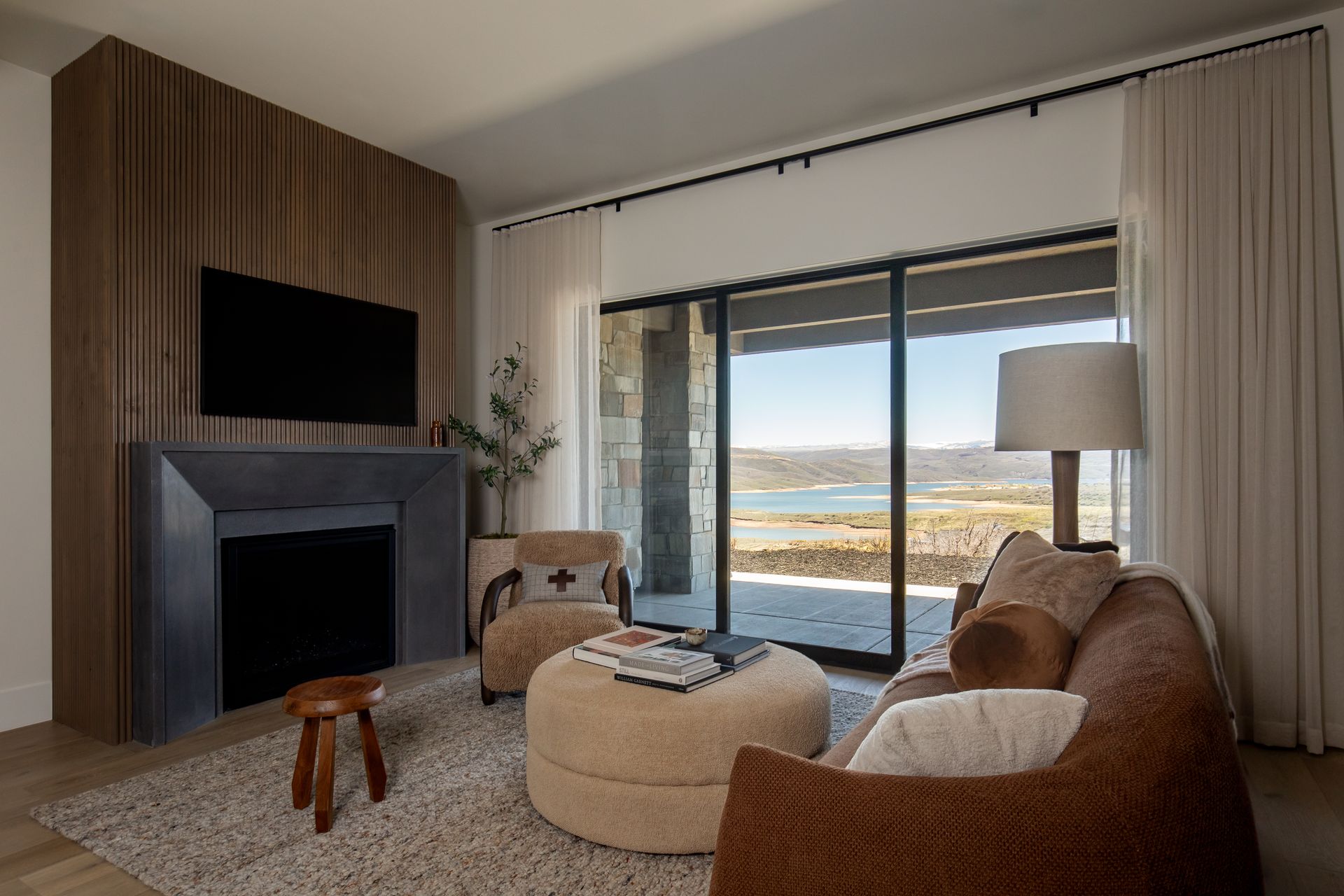
How Designers Use Window Treatments to Finish a Luxury Space
In high-end residential design, the difference between a beautiful space and a truly finished one often comes down to the details. Among those, window treatments are one of the most impactful—and often underestimated—elements.
For designers, window treatments are not an afterthought. They are an intentional layer that brings softness, depth, and cohesion to a space that might otherwise feel incomplete.
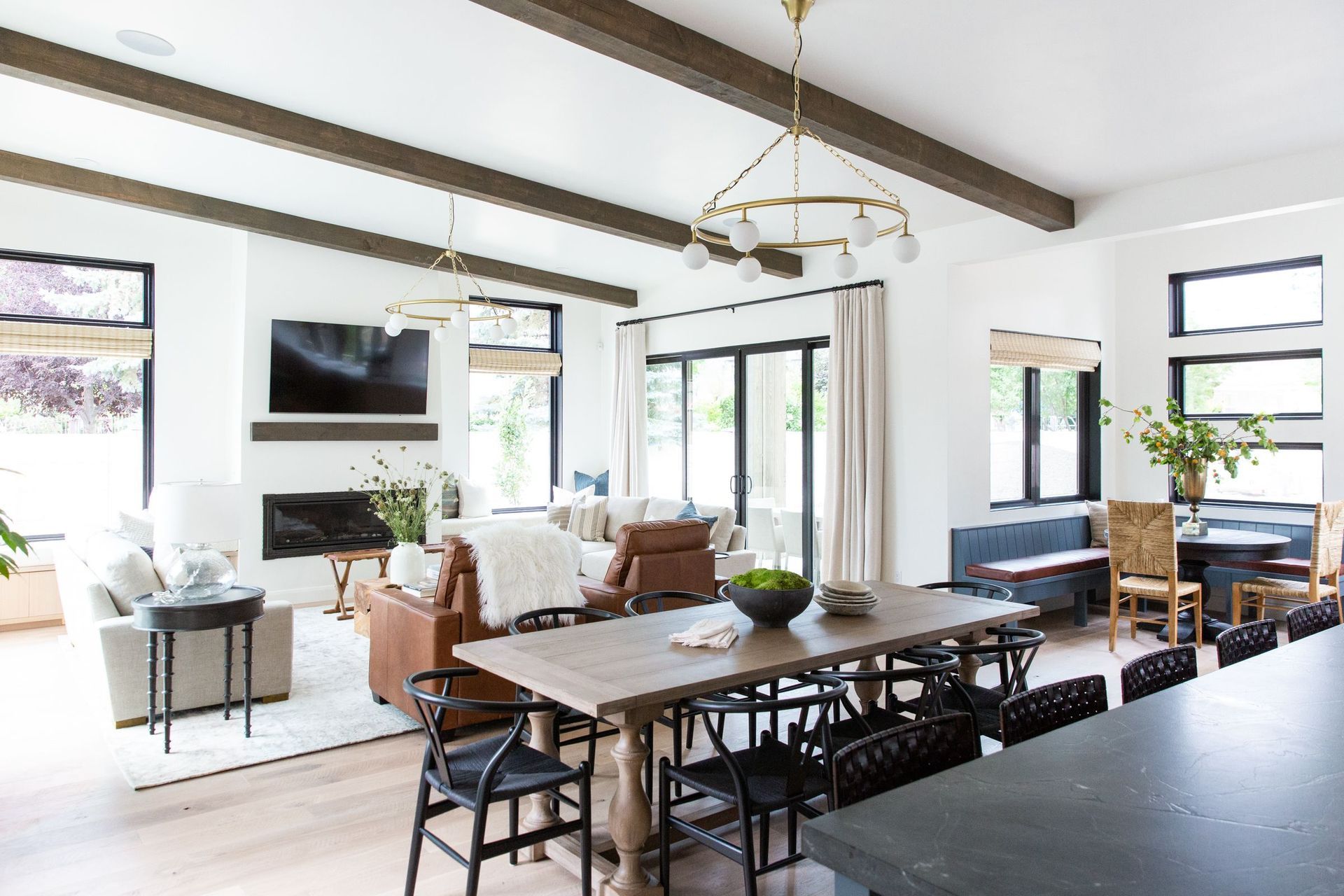
Window Treatments as a Design Layer
When designers approach a space, they think in layers—materials, textures, lighting, and finishes working together to create a cohesive experience.
Window treatments play a critical role in that layering.
Without them, even the most thoughtfully designed rooms can feel:
- flat
- unfinished
- overly architectural
By introducing fabric, movement, and dimension, treatments soften hard lines and create visual balance.
Whether it’s a tailored drapery panel, a woven shade, or a motorized solution seamlessly integrated into the architecture, the goal is the same:
to enhance the space without competing with it.
Texture, Softness, and Warmth
Luxury homes often feature:
- expansive windows
- clean lines
- natural materials like stone, wood, and metal
While these elements are beautiful, they can also create spaces that feel visually “hard” without the right counterbalance.
Window treatments introduce:
- softness through fabric
- texture through weaves and materials
- warmth through tone and layering
This is where designers elevate a room from styled to lived-in.
A linen drapery, for example, doesn’t just frame a window—it changes how light moves through the space, how the room feels throughout the day, and how the entire design is perceived.
The Role of Light Control
Beyond aesthetics, window treatments are essential in controlling natural light—one of the most powerful elements in any home.
Designers consider:
- how light enters a room in the morning vs. evening
- glare and functionality in living spaces
- privacy without sacrificing openness
Motorized shades, in particular, have become a key part of modern design. When planned early, they can be fully integrated into the architecture, allowing for:
- clean sightlines
- concealed hardware
- effortless control
This level of integration is what defines a well-executed luxury home.
Why Designers Plan Treatments Early
One of the most common challenges we see is window treatments being addressed too late in the process.
In custom homes, the best results happen when treatments are considered during the planning phase—alongside lighting, electrical, and millwork.
This allows for:
- recessed pockets for drapery
- concealed shade systems
- proper wiring for motorization
When planned early, treatments feel like part of the home—not an addition to it.
A Designer’s Perspective
We often work alongside interior designers who view window treatments as a foundational element of their design.
Parkway East in St. George shared:
“We've worked with Park City Blind & Design quite often on homes that we've done the interior design for and they're great to work with! Their team always helps us out and makes every step of the process easier. We're grateful for their contribution to making beautiful homes and we love working with them.”
This mindset is what separates a completed project from a truly elevated one.
Bringing It All Together
At Park City Blind & Design, we collaborate closely with designers and builders to ensure window treatments are thoughtfully integrated into each project.
From early planning conversations to final installation, our goal is to support the design vision while making the process seamless for both the designer and their client.
Because in luxury homes, every detail matters—and window treatments are often the detail that brings everything together.
Planning a Project?
If you’re working on a custom build or design project, early coordination around window treatments can make a significant difference in both the design outcome and overall experience.
Schedule a consultation with our team to explore options that align with your project from the start.