How to Choose the Perfect Window Treatments for Your Home
Window treatments do more than just enhance your home’s aesthetic—they provide privacy, light control, and energy efficiency while complementing your interior design. But with so many options available, how do you choose the right window treatment for each room?
In this guide, we’ll break down the best drapes, blinds, and shades for different spaces in your home, ensuring a balance of style, function, and practicality.

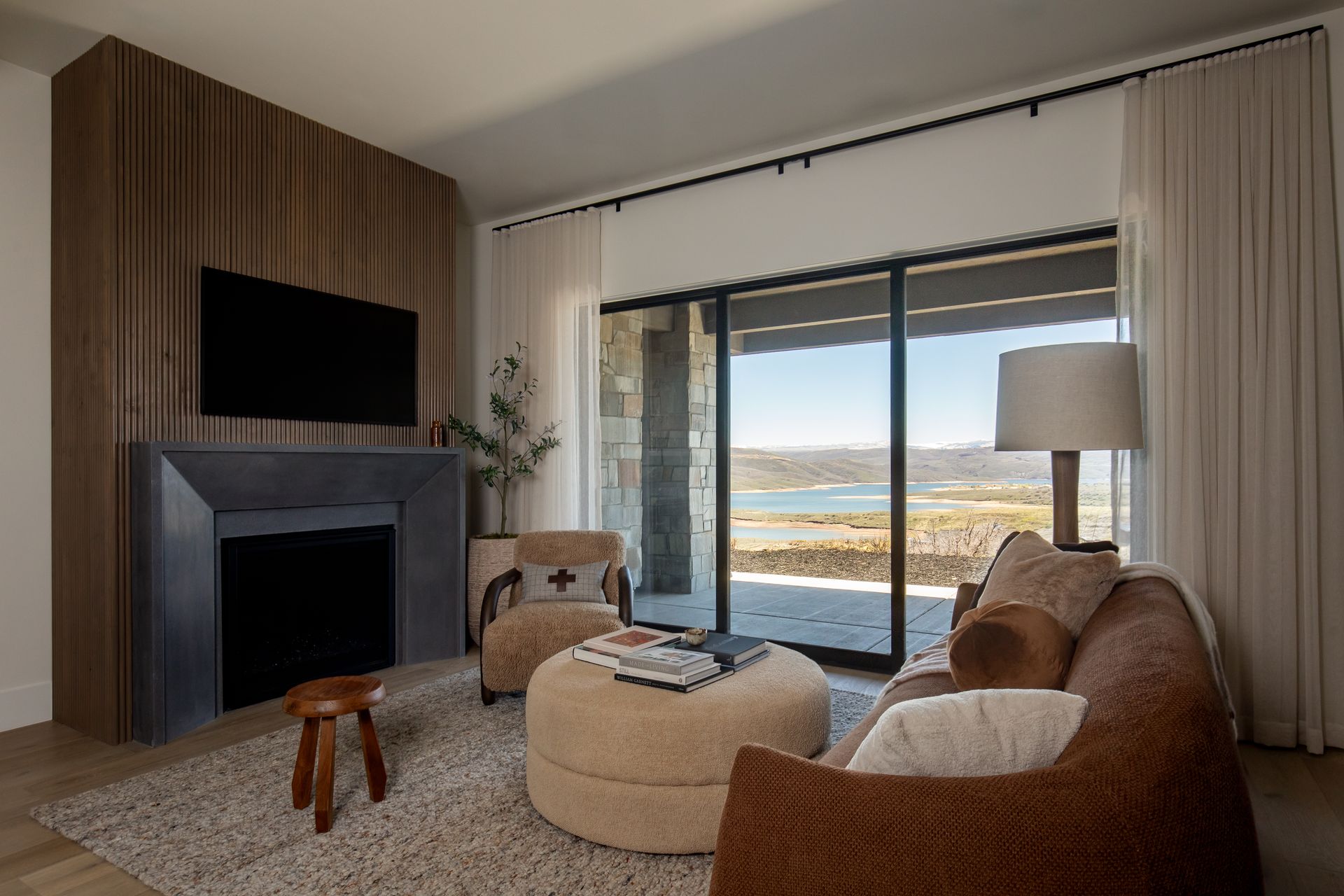
1. Living Room: Balancing Style & Light Control
Your living room is often the heart of the home—a place to relax, entertain, and enjoy natural light. The right window treatment should complement your décor while offering flexible light control and privacy when needed.
Best Options:
- Sheer Drapery – Softens sunlight while maintaining an airy, open feel
- Layered Drapes & Shades – Adds depth and luxury while providing full control over light
- Motorized Roller Shades – A sleek, modern option with easy automation
Pro Tip: Choose floor-to-ceiling drapery to create the illusion of taller ceilings and a grander space.
2. Kitchen: Functional & Easy to Clean
The kitchen is a high-traffic space where durability, ease of maintenance, and ample natural light are key. Window treatments in this space should be moisture-resistant and easy to clean while enhancing the warmth of the kitchen.
Best Options:
- Faux Wood Blinds – Offers a classic look while being durable and easy to wipe clean
- Roman Shades – A soft, tailored look that adds warmth and texture
- Solar Shades – Reduces glare and heat while maintaining a view
Pro Tip: Opt for light-filtering fabrics in Roman or roller shades to maintain brightness without glare.
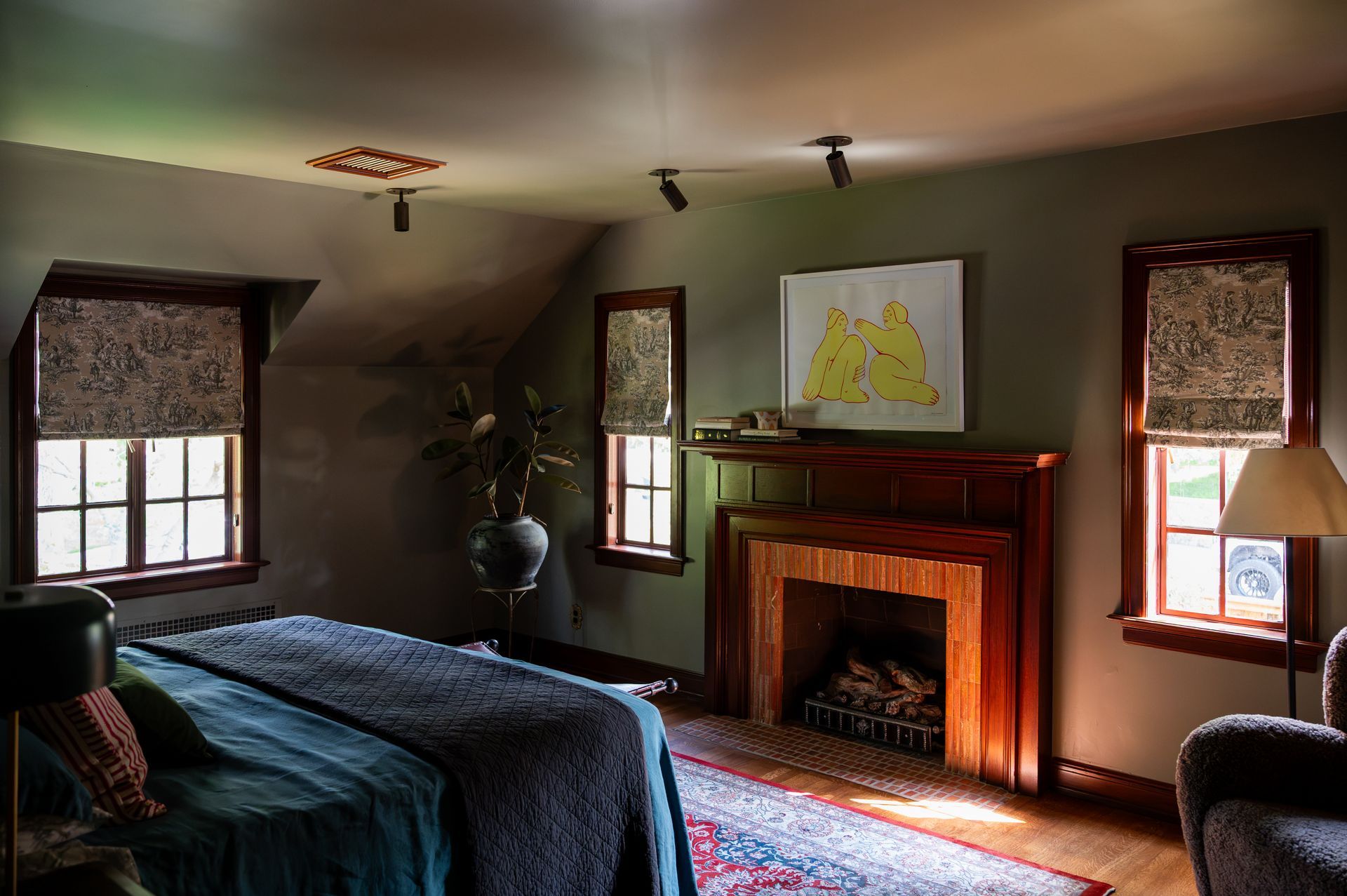
3. Bedroom: Privacy & Light Control for Better Sleep
Your bedroom should feel like a peaceful retreat, which means your window treatments need to provide optimal privacy and light control while adding softness to the space.
Best Options:
- Blackout Drapes – Blocks out light completely for a restful sleep
- Top-Down, Bottom-Up Shades – Maintains privacy while letting natural light in from above
- Layered Sheer & Blackout Curtains – Combines daytime elegance with night-time darkness
Pro Tip: Choose thermal-lined drapes for added insulation, keeping your bedroom cozy year-round.
4. Bathroom: Privacy & Moisture Resistance
Bathroom windows require treatments that provide maximum privacy, are resistant to humidity and moisture, and still let in some light to keep the space feeling fresh and open.
Best Options:
- Faux Wood or Vinyl Blinds – Water-resistant and easy to maintain
- Top-Down, Bottom-Up Shades – Allows light in without compromising privacy
- Light-Filtering Roller Shades – Softens incoming light while providing coverage
Pro Tip: Avoid fabric-based window treatments in bathrooms, as they can trap moisture and mildew over time.
5. Home Office: Productivity & Glare Reduction
A well-lit home office is essential for productivity, but too much sunlight can cause glare on screens and create discomfort. The right window treatments should provide adjustable light control while adding a professional touch to the space.
Best Options:
- Solar Shades – Reduces glare while preserving natural light
- Wood or Faux Wood Blinds – Allows for precise light adjustment
- Roman Shades – Adds a soft, elegant finish to the workspace
Pro Tip: Go for neutral tones in your window treatments to create a calm and focused work environment.
6. Dining Room: A Blend of Elegance & Functionality
Dining areas often require sophisticated yet practical window treatments that provide ambiance and privacy while enhancing the dining experience.
Best Options:
- Floor-Length Drapery – Adds an elegant, formal touch
- Woven Wood Shades – Brings warmth and texture to the space
- Layered Sheers & Curtains – Provides soft light during meals and privacy when needed
Pro Tip: Choose light, airy fabrics for a welcoming, inviting dining space.
Choosing the Perfect Window Treatments: Final Thoughts
The right window treatment not only enhances your home’s design but also plays a crucial role in privacy, light control, and comfort. Here’s a quick breakdown of the best styles for each room:
✔ Living Room: Sheer drapes, layered shades, motorized roller shades
✔ Kitchen: Faux wood blinds, Roman shades, solar shades
✔ Bedroom: Blackout drapes, top-down shades, layered sheers
✔ Bathroom: Moisture-resistant blinds, light-filtering roller shades
✔ Home Office: Solar shades, faux wood blinds, Roman shades
✔ Dining Room: Floor-length drapery, woven wood shades, sheer curtains
Ready to elevate your home with custom window treatments? At Park City Blind and Design, we specialize in creating tailored, luxury window solutions to match your unique style and needs.
Design Shown: House West Design
Photography: Meredith Lee