How to Coordinate Window Treatments with Your Home Décor
Window treatments are often the unsung heroes of interior design. They frame your view, control natural light, and add the perfect finishing touch to any space. However, choosing the right window treatments can feel overwhelming—especially when you want them to complement your home’s unique style. Whether you’re drawn to modern minimalism or rustic charm, these tips will help you coordinate your window treatments with your décor effortlessly.

1. Understand Your Design Theme
The first step to selecting the right window treatments is to identify your home’s overall style. Are you aiming for a sleek, modern look? A cozy farmhouse vibe? Or perhaps something more eclectic? Your design theme will guide you in choosing materials, patterns, and colors that blend seamlessly with the rest of your décor.
Pro Tip: Keep a mood board with swatches, color samples, and photos of your room to visualize how the window treatments will fit.
Suggested Image: A modern living room mood board featuring fabric swatches, paint samples, and design sketches.
2. Match Materials with Your Room’s Textures
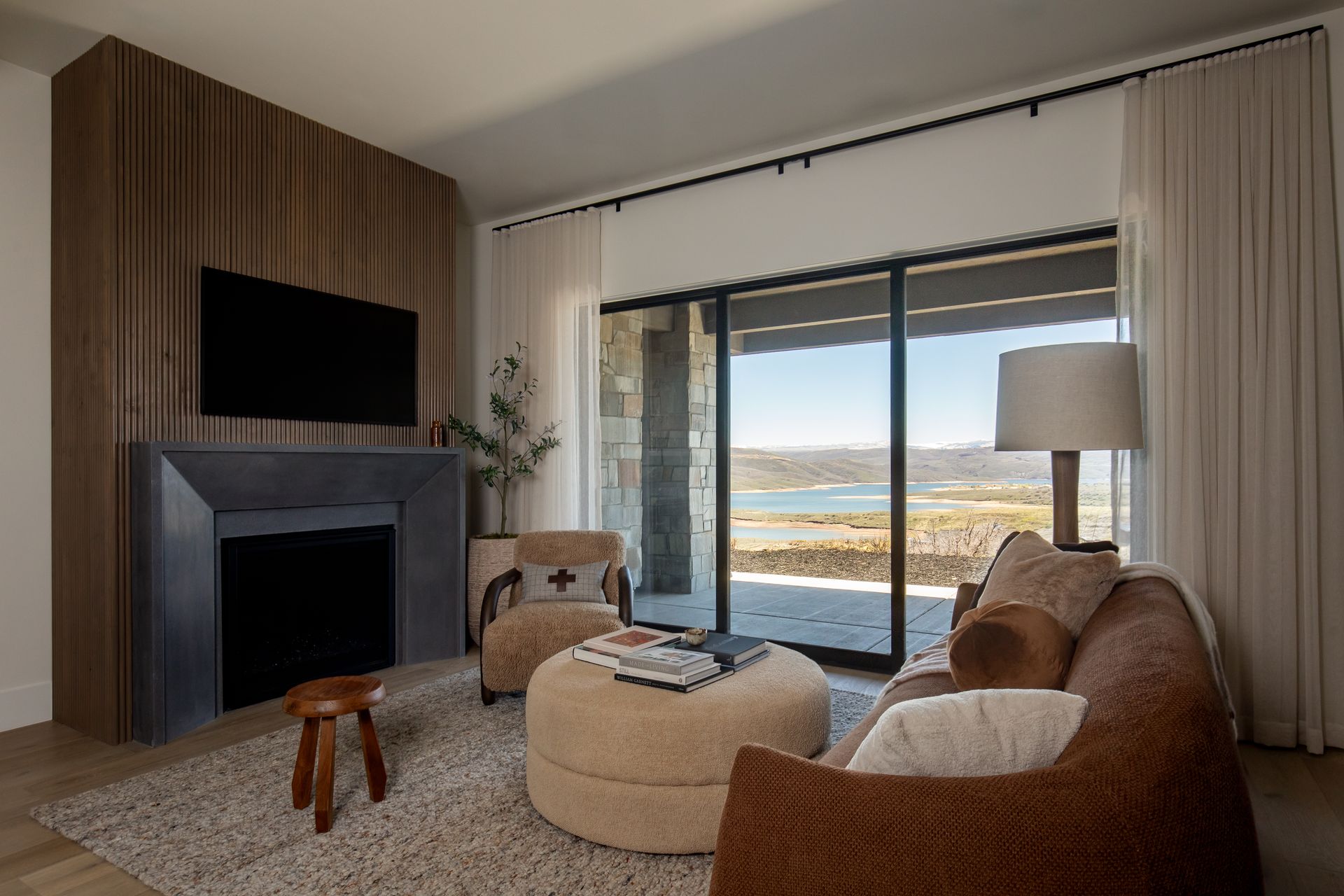
Window treatments should echo the textures already present in your space. For example, a room with soft, plush furnishings might pair well with luxurious velvet drapes, while a space with rustic wood accents would look best with woven wood shades or linen curtains. By matching textures, you can create a cohesive and inviting aesthetic.
Pro Tip: Layering materials is a great way to add depth. Pair sheer curtains with heavier drapery for a balanced and stylish look.
Suggested Image: A rustic dining room with wooden blinds layered under lightweight linen drapes.
3. Choose Colors That Complement Your Palette
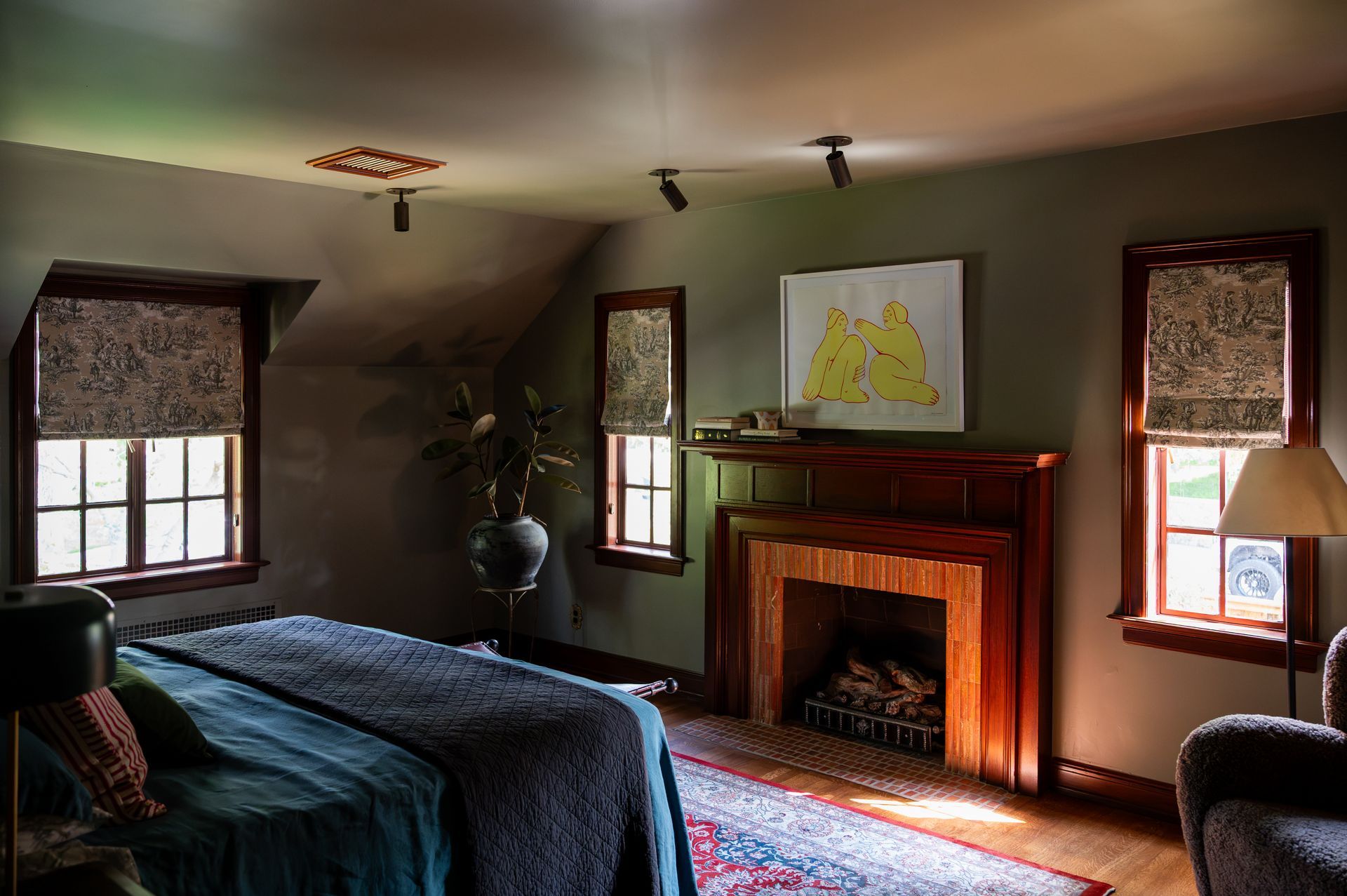
Your window treatments should enhance, not clash with, your room’s color palette. Neutral shades like white, beige, or gray are versatile and work well in most spaces. For a bold statement, choose a color that complements the room’s accents—such as a deep blue curtain in a coastal-themed space or mustard yellow shades in a mid-century modern room.
Pro Tip: If your room has bold patterns or busy textures, opt for solid-colored treatments to avoid visual clutter. Conversely, if the room is more neutral, patterned or textured window treatments can add interest.
Suggested Image: A bright, airy bedroom with light blue drapes complementing a coastal-inspired color scheme.
4. Consider Your Furniture Style
The style of your furniture plays a big role in determining the best window treatments. Sleek furniture with clean lines pairs beautifully with modern roller shades or tailored Roman shades. Traditional furniture calls for more classic treatments like pinch-pleat drapes or layered valances.
Pro Tip: Think about the hardware too! Curtain rods and finials should match the finishes of your furniture or lighting fixtures for a polished look.
Suggested Image: A transitional living room with tailored Roman shades matching the curves and finishes of the furniture.
5. Play with Patterns and Prints
If your room is filled with solid colors, patterned window treatments can add a layer of personality and character. For example, geometric prints work well in contemporary spaces, while floral patterns are perfect for traditional or cottage-inspired homes. The key is to make sure the pattern complements the scale of your space—large patterns for large rooms and smaller prints for cozier spaces.
Pro Tip: Use window treatments as an opportunity to tie together various colors and patterns in your décor.
Suggested Image: A playful nursery with pastel-colored, floral-patterned drapes tying together wall art and bedding.
6. Don’t Forget Functionality
While aesthetics are essential, the functionality of your window treatments is just as important. For example:
- In a media room, blackout shades can enhance your viewing experience.
- For a kitchen, moisture-resistant blinds are practical and stylish.
- In a bedroom, layered treatments can provide both light filtering and privacy.
Choose options that not only match your design style but also meet the specific needs of each space.
Suggested Image: A cozy bedroom with layered sheer and blackout curtains to balance style and function.
7. Use Window Treatments as a Statement Piece
In minimalist or neutral rooms, window treatments can become the focal point. Bold colors, rich textures, or unique designs can draw the eye and elevate the overall look of the space.
Pro Tip: If you’re experimenting with bold window treatments, keep the rest of the décor subtle to avoid competing elements.
Suggested Image: A contemporary living room featuring floor-to-ceiling, jewel-toned velvet drapes as the standout element.
Conclusion
Coordinating window treatments with your home décor doesn’t have to be daunting. By understanding your design theme, choosing complementary colors and textures, and balancing functionality with style, you can create a cohesive and inviting space. Whether you opt for timeless neutrals or bold statement pieces, the right window treatments can enhance your home’s beauty and make every room feel complete.
At Park City Blind and Design, we specialize in custom window treatments tailored to fit your style and needs. Let our experts help you find the perfect options to complement your décor and bring your vision to life.
Contact us today to schedule a consultation and take the first step toward beautifully coordinated interiors!