The Best Window Treatments for Open-Concept Living Spaces
Open-concept living has become one of the most sought-after home layouts for its airy feel, natural flow, and ability to bring people together. But when it comes to window treatments, open spaces present a unique design challenge: how do you define different zones while keeping a cohesive look?
Whether your home features tall ceilings, oversized windows, or continuous living-dining-kitchen areas, choosing the right window treatments can help you manage light, privacy, and style without disrupting the openness you love. Here’s how:

1. Keep It Cohesive—but Not Identical
In open-concept spaces, consistency is key—but that doesn’t mean every window needs to match exactly. Instead, aim for a complementary palette of textures, fabrics, and styles.
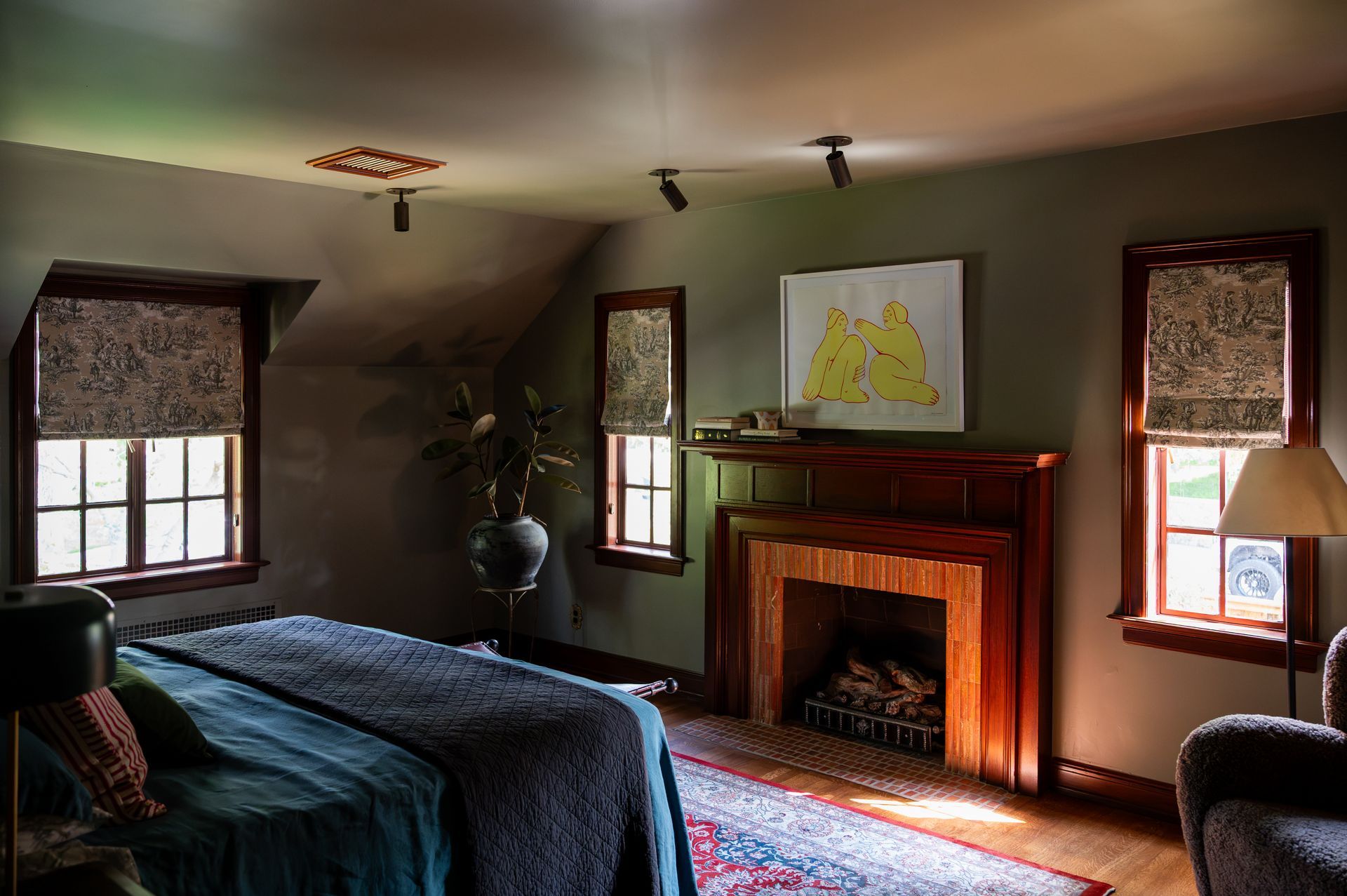
Pro Tip: Use the same color family or fabric type across the space, but vary the style slightly—like pairing Roman shades in the kitchen with ripplefold drapery in the living area.
2. Embrace Layers for Flexibility
Layering shades and drapery offers a versatile solution for open layouts. It adds dimension while allowing you to fine-tune light and privacy in different zones.
Best Choices:
- Light-filtering roller or solar shades for daytime comfort
- Drapery panels to soften large windows and add architectural balance
- Motorization to manage multiple treatments at once with ease
3. Go Big with Tall Windows and Wide Walls
Large windows and walls of glass are common in open-concept designs—and they deserve thoughtful treatment.
Best Choices:
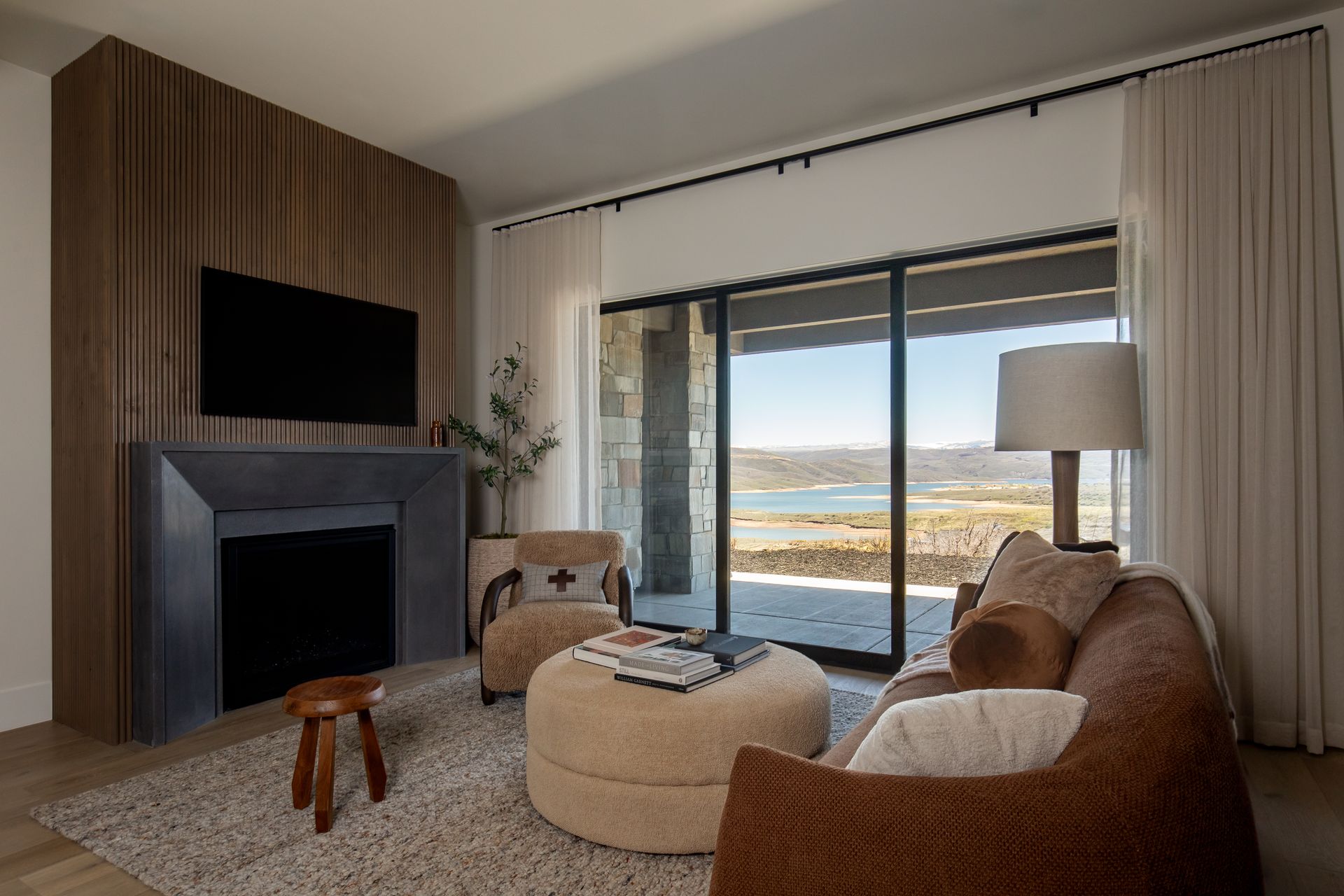
- Panel track systems for wide openings like sliding doors
- Floor-to-ceiling drapery to accentuate height and create visual drama
- Custom cornices or valances to tie everything together at the top
4. Create “Zones” Without Walls
Use window treatments to subtly define your dining space from your lounging space without adding any barriers.
Design Idea:
Choose a softer drapery look in the living area and a sleeker shade in the kitchen or dining area. This gently separates zones while keeping everything visually harmonious.
5. Prioritize Automation for Convenience
With so many windows in one open space, automation isn’t just a luxury—it’s a game-changer. Smart shades or motorized drapery let you adjust everything at once, set schedules based on light, or control with voice commands.
Final Thoughts
Open-concept living calls for window treatments that strike the perfect balance between form and function. With custom solutions tailored to your space, you can elevate your design, increase comfort, and maintain the airy, open feel you love.
Need help designing for your open space? Contact Park City Blind and Design—we specialize in beautiful, modern window coverings for even the most expansive layouts.